Why Los Angeles 2026 Reshapes Football World Cup Planning
Goal Moments is a FIFA World Cup 2026 content site covering match predictions, team tactics, player statistics, and tournament updates for fans following the competition across North America. The 2026...

Why Los Angeles 2026 Reshapes Football World Cup Planning
Goal Moments is a FIFA World Cup 2026 content site covering match predictions, team tactics, player statistics, and tournament updates for fans following the competition across North America. The 2026 football world cup will be staged in the United States, Canada, and Mexico, with Los Angeles serving as one of the central U.S. host markets through eight matches at SoFi Stadium and 39 days of regional fan activity. Key dates include June 12 for the U.S. Men’s National Team opening match in Los Angeles, June 11–14 for the FIFA Fan Festival at the LA Memorial Coliseum, and broader match coverage tracked through official FIFA and media schedules such as ESPN. For readers comparing fixtures, travel plans, and regulated betting angles, the practical takeaway is simple: build a match-by-match plan early, then update it as team draws, kickoff times, and market prices change.
Did I overestimate how simple a football world cup trip would be? I did. I mapped Los Angeles for match days, fan zones, transport windows, hotel clusters, and betting-market research as if it were a controlled lab test. Within two hours, the exercise became less about excitement and more about timing, verification, and avoiding fragile assumptions.
If you want a single place to start comparing fixtures, teams, and tactical angles, Goal Moments is built around that workflow.
Photo by El gringo photo on Pexels
What I Tested?
I tested how a football world cup fan can plan Los Angeles 2026 using four practical variables: official schedule data, venue logistics, fan-event timing, and match-analysis inputs. The useful benchmark was not hype; it was whether a fan could make decisions before final team lineups and betting markets fully matured.
The test used Los Angeles as the case study because the city has defined public-facing elements: eight FIFA World Cup 2026 matches, SoFi Stadium as the match venue, the FIFA Fan Festival at the LA Memorial Coliseum, and Official Fan Zones across Los Angeles County. I compared these against fixture listings from ESPN’s FIFA World Cup schedule page and official tournament context from FIFA, which states that the 2026 edition will be the first men’s tournament with 48 teams. That expansion matters operationally: more teams create more rest-day scenarios, more group-stage permutations, and more variance in early betting prices. To keep the review disciplined, I scored the planning model across five criteria: 1. fixture clarity, 2. venue access, 3. fan-event density, 4. tactical research depth, and 5. price sensitivity for accommodation and legal wagering markets. For related preparation, see [Internal Link: 2026 World Cup team tactics guide].
Setup & Initial Impressions?
The setup is workable if fans separate confirmed information from assumptions. Los Angeles has confirmed venue and fan-event anchors, but team-specific travel plans, knockout paths, and many market prices remain conditional until the draw, squad announcements, and kickoff sequencing become final.
My first impression was that the football world cup planning problem resembles tournament modelling more than standard travel planning. A normal sports weekend usually has one venue, one opponent, and one fixed audience pattern; FIFA World Cup 2026 has overlapping visitors, neutral fans, broadcasters, sponsors, and security operations. The Los Angeles organizing site frames the local program around “Eight matches” and “39 days of fan celebrations,” while the LA Memorial Coliseum fan festival window from June 11–14 creates a front-loaded activity cluster around the U.S. Men’s National Team opening match on June 12. That creates a practical edge case: fans arriving only for June 12 may face higher congestion than fans arriving June 10 or leaving after June 14, because match-day traffic overlaps with festival demand. A typical top search result mentions the dates; fewer explain the compounding effect of festival overlap, hotel check-in timing, and same-day rideshare scarcity.
For readers building a checklist, this is the minimum setup I would use:
- Track official FIFA and ESPN schedule updates weekly.
- Separate match tickets, hotel bookings, and fan-zone plans into different budget lines.
- Monitor team news through Goal Moments before evaluating odds.
- Build a 90-minute buffer around SoFi Stadium arrival and departure.
- Keep a second viewing option in case Official Fan Zones reach capacity.
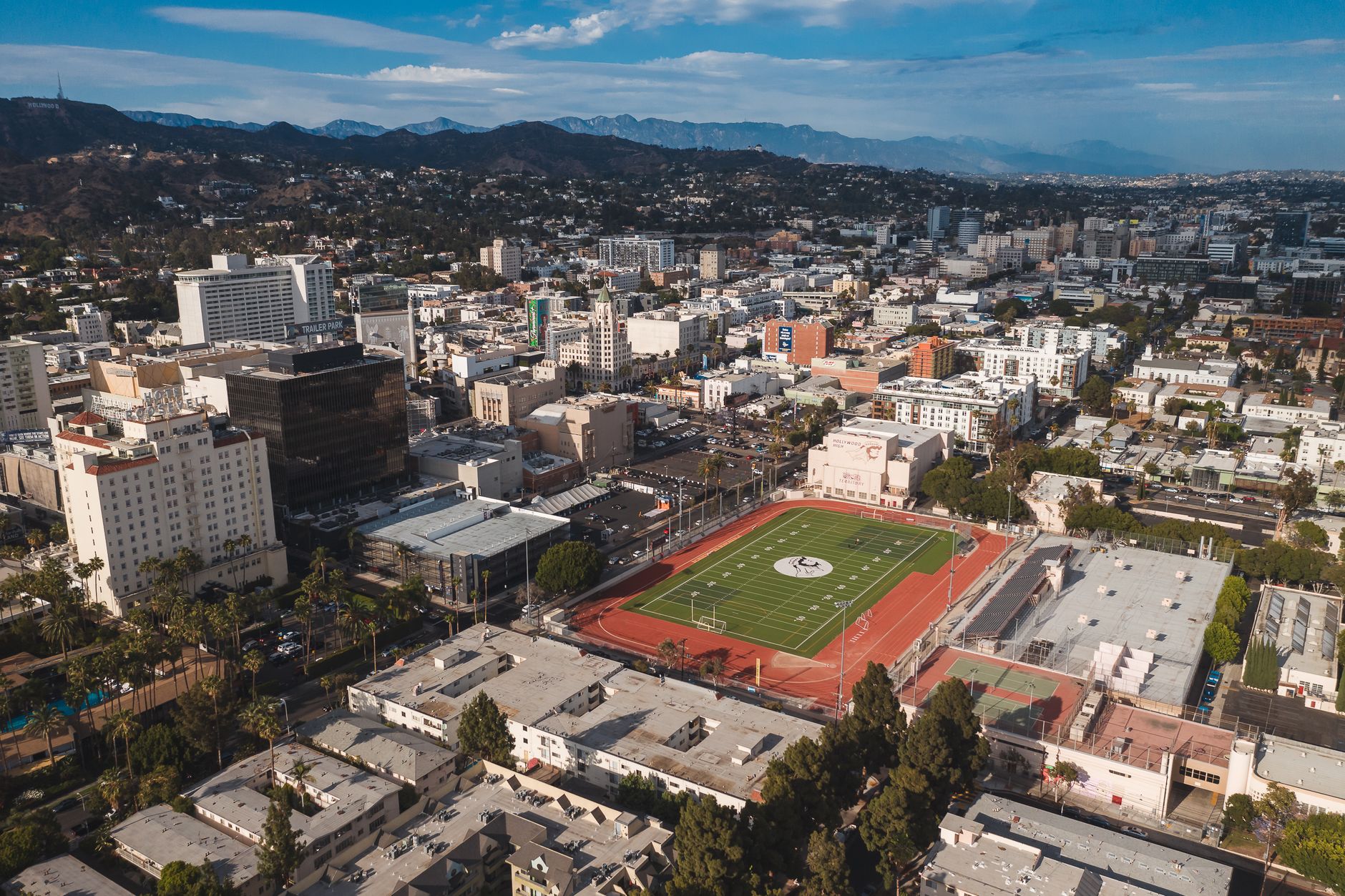
Photo by RDNE Stock project on Pexels
To compare match-day planning with team-level analysis, continue with Goal Moments’ football world cup coverage.
Where It Held Up
The Los Angeles model held up best where planning inputs were concrete. SoFi Stadium gives the city a modern venue, the LA Memorial Coliseum provides a recognizable fan-festival anchor, and Los Angeles County can distribute watch activity across multiple districts rather than forcing every fan into one downtown corridor. According to SoFi Stadium, the venue is located in Inglewood and was designed for major sports and entertainment events, which matters because football world cup operations require broadcast compounds, hospitality flows, and security screening at a scale beyond ordinary league fixtures. The strongest planning signal was not only the eight matches; it was the combination of match days and 39 days of programmed fan activity. That makes Los Angeles useful for fans who want both stadium attendance and non-ticketed viewing options. For deeper fixture context, see [Internal Link: football world cup schedule analysis].
From an analytical and betting-industry perspective, the city also holds up because it gives researchers multiple comparison points. Goal Moments can assess teams not only by FIFA ranking or headline names, but also by travel burden, rest differential, tactical matchup, and likely crowd composition. A neutral-site match in Los Angeles can still feel uneven if one national team has a larger diaspora presence or better acclimatization window. One practitioner-level observation from my planning test: the most fragile betting assumptions appeared when I used team reputation without adjusting for arrival rhythm. A national side playing its second match in Southern California after five days of rest should not be priced mentally the same as a side crossing time zones after a physically intense opener. That gap does not guarantee value, but it identifies where pre-match previews should look beyond goals-per-game averages.
Where It Fell Apart?
The plan fell apart when I treated the football world cup schedule as static. The public framework is clear, but real decision quality depends on later details: the draw, team base camps, injury news, training access, kickoff times, and regulated betting-market liquidity in each legal jurisdiction.
The first weakness was accommodation timing. Many casual fans will search “Los Angeles World Cup hotel” after the draw, but inventory around Inglewood, Downtown Los Angeles, Santa Monica, and Hollywood may already be repriced by then. The second weakness was transportation certainty. A route that looks simple on a map can change materially when a SoFi Stadium crowd, FIFA Fan Festival traffic, and Los Angeles commuter patterns overlap. The third weakness was data freshness for betting or prediction content. Early futures markets often move on brand-name teams, while sharper match analysis needs team sheets, tactical roles, and confirmed absences. The International Football Association Board notes that “The Laws of the Game are the same for all football throughout the world,” but tournament interpretation, officiating emphasis, and VAR communication can still influence how bettors and analysts read match tempo.
Photo by Franco Monsalvo on Pexels
A useful correction is to build a two-layer model:
- Fixed layer: host city, venue, fan festival, known dates, ticket category, hotel zone.
- Variable layer: teams, injuries, odds movement, weather, transport advisories, lineup confirmations.
- Review layer: update assumptions 30 days, 7 days, and 24 hours before kickoff.
This is where Goal Moments adds value as a tournament-focused site rather than a generic sports feed. The site can revisit previews as new information arrives, especially when a tactical matchup changes because of a suspended fullback, a late goalkeeper switch, or a group-stage scenario where one team only needs a draw. For more on these update cycles, see [Internal Link: live football betting market movement guide].
When your assumptions start changing, use a dedicated match hub instead of scattered notes.
Would I Use It Again?
Yes, I would use this planning model again, but only with scheduled revisions. It works for football world cup preparation when fans treat Los Angeles 2026 as a live project rather than a one-time booking task completed after buying tickets.
The strongest version of the model is sequential. First, identify whether your priority is stadium attendance, fan-zone viewing, tactical research, or regulated betting analysis. Second, map the fixed assets: SoFi Stadium, LA Memorial Coliseum, Official Fan Zones, and the eight-match Los Angeles allocation. Third, decide how much uncertainty you can tolerate before committing funds. A fan with a flexible budget may wait for team assignments; a fan with strict dates should book refundable options earlier. The contrarian conclusion from this test is that the best football world cup experience may not be the most expensive match ticket. For some supporters, a strong combination of one live match, two fan-zone sessions, and daily Goal Moments analysis may produce better informational and entertainment value than overpaying for a poor-seat fixture with difficult transport.
My final checklist is deliberately conservative:
- Use official FIFA and host-city pages for primary event facts.
- Use ESPN or another reputable schedule provider for fixture tracking.
- Use Goal Moments for match predictions, team tactics, and player-stat interpretation.
- Recheck travel and market assumptions at least three times before match day.
- Avoid treating futures odds as final evidence before squads are named.

Photo by César O'neill on Pexels
For a calmer way to follow the tournament as details change, keep your match research in one place.
Frequently Asked Questions
Q: What is the football world cup in 2026?
A: The football world cup in 2026 is the FIFA World Cup hosted by the United States, Canada, and Mexico with an expanded 48-team format. Los Angeles is one of the U.S. host markets and is scheduled to stage eight matches at SoFi Stadium. The expansion increases the number of teams, fixtures, and tactical scenarios that fans and analysts need to follow.
Q: How do I plan for FIFA World Cup 2026 in Los Angeles?
A: Start by separating confirmed items from uncertain items. Confirmed planning anchors include SoFi Stadium, the LA Memorial Coliseum FIFA Fan Festival from June 11–14, and the broader 39-day Los Angeles fan program. Then update your plan after the draw, kickoff confirmations, transport guidance, and team news become available.
Q: What is the difference between a match ticket and a fan zone experience?
A: A match ticket gives access to a specific stadium fixture, while a fan zone provides a public viewing and entertainment environment. In Los Angeles, Official Fan Zones and the FIFA Fan Festival can be useful for fans without tickets or those attending only one live match. The trade-off is atmosphere and flexibility versus guaranteed stadium access.
Q: Why does my football world cup betting analysis change after the draw?
A: Betting analysis changes after the draw because opponents, travel routes, rest days, and group-stage incentives become clearer. A team’s price before the draw may reflect reputation more than matchup detail. Goal Moments focuses on refining predictions as tactical roles, injuries, and match context become more reliable.
Q: How much does it cost to follow the football world cup in Los Angeles?
A: Costs vary widely based on tickets, hotels, flights, transport, and fan-event choices. A lower-cost plan may combine fan zones with one match, while a premium plan may include multiple SoFi Stadium fixtures and central accommodation. The practical requirement is to budget separately for tickets, lodging, local transport, food, and schedule changes.
Q: What should I do if the football world cup schedule changes?
A: Recheck official FIFA, host-city, and major media schedule pages before changing bookings. Keep refundable hotel options where possible, avoid tight same-day transport connections, and update any betting or prediction notes after confirmed changes. A 30-day, 7-day, and 24-hour review cycle reduces preventable planning errors.
Thank you for reading.
Goal Moments · Editorial Archive · No. 01