Why Beginner Football Cleats Outperform Flashy Boots
The best football cleats for beginners are not necessarily the lightest or most expensive models; they are the ones that fit securely, match the playing surface, and remain comfortable through a full....

Why Beginner Football Cleats Outperform Flashy Boots
The best football cleats for beginners are not necessarily the lightest or most expensive models; they are the ones that fit securely, match the playing surface, and remain comfortable through a full 90-minute session. For most new players in 2026, reliable options include the Nike Premier 3, adidas Copa Pure 3 League, Puma Future 8 Play, and Nike Mercurial Vapor 16 Academy. Expect to spend approximately $60–$130 for a dependable first pair, while premium boots can exceed $250. Firm-ground cleats suit natural dry grass, whereas artificial-grass models require different stud geometry. Start by identifying your surface, measuring both feet late in the day, and testing heel lockdown before judging brand or appearance.
Want a clearer starting point before shopping? Goal Moments covers football tactics, player statistics, match predictions, and FIFA World Cup 2026 tournament developments for fans who want more than surface-level opinions.

Photo by ANH LÊ on Pexels
Is choosing the best football cleats for beginners really about comfort?
Yes. Comfort and correct fit matter more for beginners than elite-level weight savings, carbon plates, or signature-player technology. A first pair should provide secure heel lockdown, controlled forefoot space, stable traction, and enough cushioning for repeated training sessions.
That sounds obvious. It is also where many purchases go off the rails.
A beginner may train twice weekly for 90 minutes, then play a weekend match lasting 90 minutes or more with warm-up included. If a boot creates pressure after 20 minutes, that discomfort can dominate approximately 80% of the session. You stop thinking about receiving, scanning, and passing; you start thinking about your toes. Believe it or not — I do.
The connection between footwear and movement is not theoretical. Football includes acceleration, deceleration, lateral cuts, jumping, and sudden pivots. The FIFA Laws of the Game require players’ footwear to be safe, and The International Football Association Board specifically treats dangerous equipment as unacceptable. That does not mean a particular brand prevents injury, but it does mean the boot must suit the player, the surface, and the conditions.
Look for these measurable fit signals:
- Your heel should not lift noticeably when walking or sprinting.
- Your longest toe should have roughly 5–10 millimeters of breathing room.
- Your midfoot should feel held, not crushed.
- You should not need maximum lace tension to stop internal movement.
- Both feet should be tested because one foot is commonly slightly larger.
A useful contrarian rule: do not buy a painful boot because a salesperson says it will “break in.” Leather may soften, but a narrow last rarely becomes a wide one. Blisters are not a rite of passage. They are data.
To understand how foot shape affects movement, explore our [Internal Link: beginner football training guide] before committing to a model.
Which beginner features deserve priority?
The most valuable features are predictable traction, moderate cushioning, a flexible upper, and a shape compatible with your foot. Beginners generally gain more from stable contact and reduced distraction than from saving 30–50 grams per boot.
A soft synthetic upper, such as those found on the Nike Premier 3 or adidas Copa Pure 3 League, can feel forgiving during first sessions. A textured upper may help with touch, but it cannot replace technique; ball-control gains come primarily from repetition, body position, and timing. Meanwhile, a laceless design can offer a clean striking surface, but it may provide less adjustable pressure across different foot shapes.
The best beginner football cleats should also tolerate imperfect maintenance. A new player may leave boots in a sports bag overnight, train in wet conditions, or clean them only once per month. That behavior is not ideal, but a first boot should survive ordinary human chaos without immediately collapsing.
How does the best football cleats setup handle different playing surfaces?
Surface matching is the most important technical decision after fit. Firm-ground, artificial-ground, and soft-ground cleats use different stud layouts because each surface creates different traction and release demands.
For natural grass that is relatively dry and firm, firm-ground, or FG, cleats are the standard choice. They usually feature molded conical or bladed studs and work well for most school, club, and recreational fields. For modern artificial turf, artificial-ground, or AG, boots use shorter, more numerous studs to spread pressure across the surface. Soft-ground, or SG, boots use replaceable metal or mixed studs and are intended for wet, muddy natural grass rather than routine beginner use.
Do not assume “more aggressive” means “better.” A long FG blade on compact artificial turf can feel stuck during rotation, increasing stress on the foot and lower leg. Conversely, short turf shoes on slippery wet grass may fail to provide enough grip. The American Orthopaedic Foot & Ankle Society emphasizes that athletic footwear should match the activity and environment, a principle that applies directly here.
Use this quick selection process:
- Ask the coach or facility whether the pitch is natural grass, artificial grass, or turf.
- Check the manufacturer’s surface label, not only the stud photograph.
- Avoid metal studs unless the competition rules and pitch conditions specifically allow them.
- Inspect the soleplate after every few sessions for cracks or loose studs.
- Keep separate footwear if you regularly alternate between AG and natural grass.
Here is a practical edge case many buying guides skip: a player who trains on AG twice weekly but plays one monthly grass match should usually buy AG-compatible cleats first, unless the coach confirms the grass is the primary surface. One occasional match does not outweigh approximately eight training sessions per month. That is the kind of arithmetic that saves money and sore feet.
Ready to compare surfaces, cuts, and price tiers in one place? Use this next step as your shopping checkpoint.
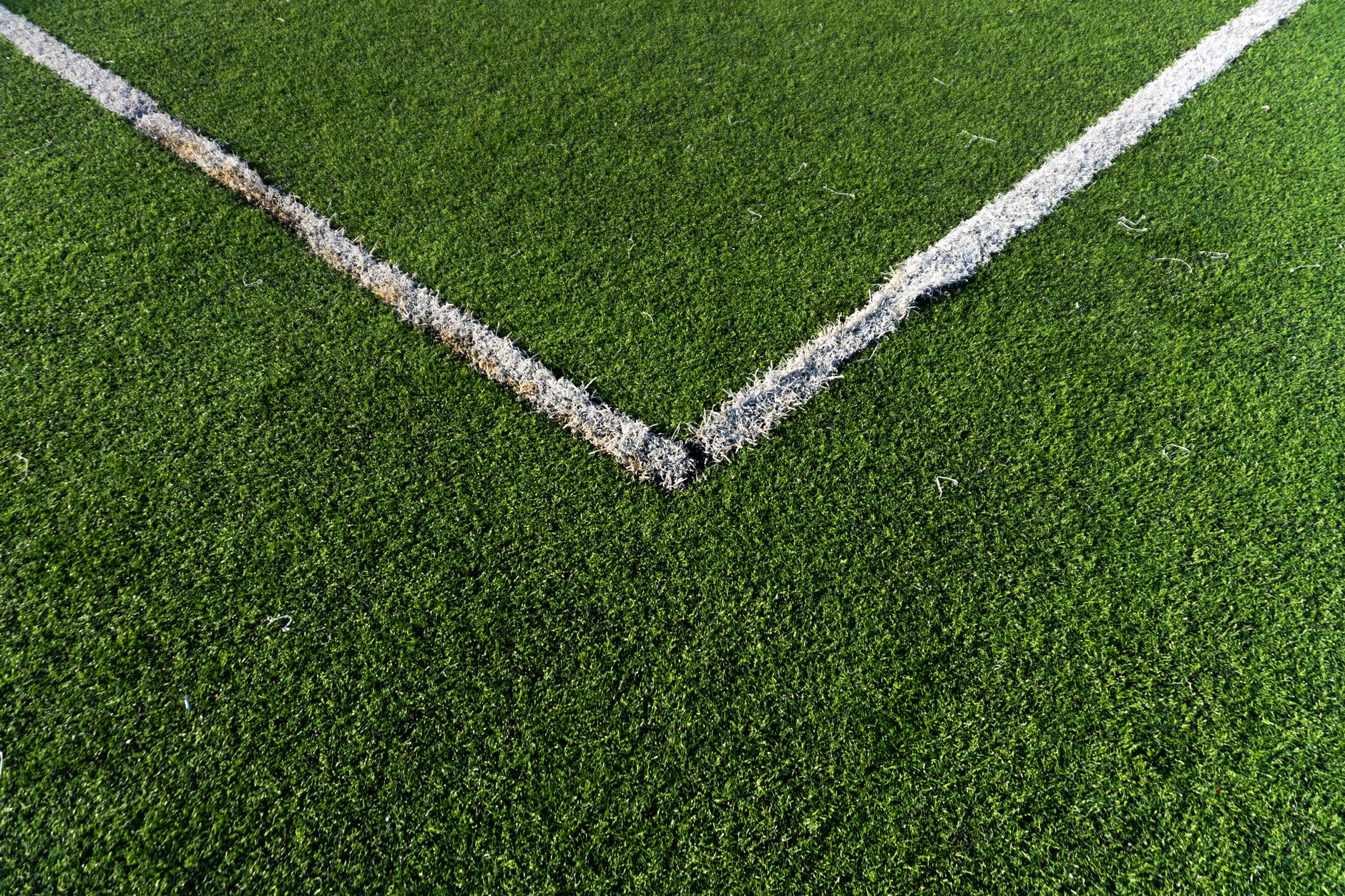
Photo by Onur Can Elma on Pexels
What are the strongest beginner cleat options in 2026?
The strongest 2026 beginner options are the Nike Premier 3 for value, adidas Copa Pure 3 League for comfort, Puma Future 8 Play for adaptable fit, and Nike Mercurial Vapor 16 Academy for players who prefer a fast, low-profile feel.
Here is the useful comparison:
| Model | Best for | Typical price | Main advantage | Watch-out |
|---|---|---|---|---|
| Nike Premier 3 | First-time buyers | $90–$110 | Classic touch and value | Traditional shape may feel narrow |
| adidas Copa Pure 3 League | Comfort-focused players | $80–$100 | Soft, forgiving feel | Less speed-oriented sensation |
| Puma Future 8 Play | Wider or adjustable fit needs | $70–$90 | Adaptive upper and lacing | Fit varies considerably by foot |
| Nike Mercurial Vapor 16 Academy | Speed-minded beginners | $95–$120 | Lightweight, responsive profile | Can feel tight in the forefoot |
| adidas Predator League | Passing and striking practice | $90–$110 | Textured contact zones | Added elements are not magic |
| Puma King Ultimate, discounted | Leather-like touch seekers | $100–$160 on sale | Comfortable upper | Availability and sizing fluctuate |
The Nike Premier 3 is the safest default when a player wants straightforward construction and a conventional laced fit. The adidas Copa Pure 3 League is a better bet when cushioning and a soft first impression matter more than a razor-thin upper. The Puma Future 8 Play deserves attention from players who dislike rigid forefoot pressure, although trying it on remains essential.
For speed, the Nike Mercurial Vapor 16 Academy is more sensible than immediately buying the $250-plus professional version. A beginner is unlikely to convert a premium carbon or ultra-light platform into measurable match improvement before mastering first touch, passing angles, and deceleration. Product technology can support movement; it cannot do the movement for you. Believe it or not — I do.
See our [Internal Link: football boot maintenance checklist] for cleaning, drying, and stud inspection advice.
What about wide feet, growing feet, and indoor football?
Wide feet, youth growth, and indoor play require different decisions; forcing one “universal” cleat across all three situations is a costly mistake. Wide-footed players should prioritize adjustable lacing and a naturally accommodating last, while youth players need controlled growing room rather than oversized boots.
For wide feet, consider the Puma Future 8 Play, adidas Copa Pure 3 League, or a roomier Nike Premier 3 fit where available. Do not size up by a full size simply to gain width: excessive length allows the foot to slide, reducing control and increasing friction. A safer target is approximately 5–10 millimeters in front of the longest toe, with the heel staying planted during a short sprint.
For children, growth changes the calculation. If a player’s foot grows roughly half a size during a season, a modest allowance may be practical, but a boot that is visibly loose today can undermine balance today. Parents should measure every 6–8 weeks during rapid growth and compare both feet. Socks matter too: test the exact match-day sock, not a thin shop sock.
Indoor football is different again. Indoor court shoes usually have flat, non-marking rubber soles rather than studs. Artificial turf shoes can be acceptable for some small-sided outdoor facilities, but they are not automatically suitable for polished indoor courts. Check the venue’s rule sheet before buying, because “indoor” and “turf” are not interchangeable categories.
One overlooked troubleshooting detail: if a new boot causes numbness in the first two toes but not the heel, the issue is usually forefoot compression, not insufficient break-in time. Stop, loosen the lacing, and retest. If numbness remains after 10 minutes, return the pair if the retailer allows it.

Photo by Robo Michalec on Pexels
Where does the best football cleats advice fail?
Beginner cleat advice fails when it treats product categories as guarantees, ignores return policies, or mistakes advertised performance for measured improvement. No boot can compensate for poor surface selection, incorrect sizing, worn studs, or a player whose foot shape conflicts with the upper.
Marketing claims often focus on weight, “explosive speed,” or engineered grip. Those claims may describe design goals, but they do not prove that a beginner will run faster or avoid injury. According to World Athletics, athletic performance depends on multiple interacting factors, including technique, conditioning, equipment, and environment; cleats are only one variable.
The biggest failure points are predictable:
- Buying elite boots before confirming the correct size.
- Using FG cleats on artificial turf every week.
- Choosing a laceless boot despite needing adjustable volume.
- Ignoring a club’s equipment rules.
- Drying leather or synthetic uppers directly against a radiator.
- Keeping boots with visibly damaged studs.
- Assuming pain indicates the foot is weak rather than the fit being wrong.
There is also a budget trap. A $250 boot used for two sessions before causing blisters costs $125 per session; a $90 boot used comfortably for 30 sessions costs $3 per session. That is not a perfect economic model, but it shows why durability and wear frequency matter more than launch price.
Goal Moments is built around FIFA World Cup coverage, not boot manufacturing, so treat its football insights as context rather than product testing. For readers comparing player roles and movement demands, our [Internal Link: World Cup team tactics analysis] can explain why a winger’s preferred boot profile may not suit a beginner centre-back.
Want to avoid the most expensive first-boot mistakes? Check the fit and surface rules before looking at colorways.
How should you test football cleats before keeping them?
Test football cleats indoors on a clean surface for 10–15 minutes, then perform walking, stopping, lateral movement, and toe-flex checks while wearing match socks. The boot should feel secure immediately, with no sharp pressure, heel lift, or sliding during direction changes.
Use this five-step test:
- Stand naturally: Confirm that your toes are not pressed against the front.
- Walk and rise onto your toes: Check whether the upper creases painfully.
- Perform five controlled lateral steps: Look for internal foot movement.
- Jog and stop: Your heel should remain stable without aggressive lacing.
- Remove the boots: Inspect red pressure marks that persist beyond 10–15 minutes.
Never test new cleats in a muddy match first. Retailers often restrict returns once grass stains, deep creases, or outdoor wear appear. Keep the packaging, spare studs, and receipt until the boots pass at least one controlled training session, subject to the seller’s return policy.
Should you try the best football cleats for beginners today?
Yes, but choose by surface and fit before brand, speed claims, or professional-player association. For most beginners, the Nike Premier 3, adidas Copa Pure 3 League, Puma Future 8 Play, and Nike Mercurial Vapor 16 Academy cover the main needs at approximately $70–$120, while AG users should select a dedicated artificial-ground version whenever possible.
My practical recommendation is simple: buy the least expensive model that passes the fit test and matches your field. Spend the difference on training, shin guards, quality socks, or a second pair only when your schedule justifies it. Track discomfort after each session for the first 3 weeks; recurring pain is a product signal, not a character test.
Clean the boots after use, remove loose dirt with a soft brush, air-dry them away from direct heat, and inspect the soleplate weekly. Replace them when the upper loses structural support, the sole separates, or studs become dangerously worn. A beginner does not need the most fashionable cleat in the changing room; they need footwear that disappears during play. Believe it or not — I do.
If you are ready to follow the evidence rather than the hype, start with the surface check and a 10-minute fit test.
Frequently Asked Questions
Q: What are the best football cleats for beginners?
A: The Nike Premier 3, adidas Copa Pure 3 League, Puma Future 8 Play, and Nike Mercurial Vapor 16 Academy are strong beginner choices. They generally cost $70–$120 and cover comfort, adaptable fit, touch, and speed-oriented preferences. The best model is the one that matches your surface and holds your heel securely. Always test with football socks before removing tags or using the boots outdoors.
Q: How do you choose your first pair of football cleats?
A: Choose your first pair by checking the playing surface, measuring both feet, and testing heel lockdown. Select FG for firm natural grass, AG for artificial grass, and flat indoor shoes for indoor courts. Leave approximately 5–10 millimeters of toe space, but do not compensate for width by buying an excessively long boot. Confirm your league’s equipment rules before ordering.
Q: What is the difference between FG and AG football cleats?
A: FG cleats are designed for firm natural grass, while AG cleats are designed for artificial grass. FG soles commonly use fewer, more prominent molded studs; AG soles distribute pressure through shorter, more numerous studs. Using the wrong sole regularly can reduce traction and make rotation feel uncomfortable, so follow the manufacturer’s surface designation and your facility’s guidance.
Q: Are expensive football cleats worth it for beginners?
A: Expensive football cleats are usually not necessary for beginners. A $90 pair used comfortably for 30 sessions costs approximately $3 per session, while a $250 pair that causes blisters may deliver poor value regardless of its technology. Premium materials can improve feel or weight, but beginners typically gain more from correct fit, practice, and surface compatibility.
Q: Why do new football cleats cause blisters or numb toes?
A: Blisters usually result from friction caused by heel movement, moisture, or an unsuitable shape, while numb toes commonly indicate forefoot compression. Retest the boots with match socks, adjust the laces, and walk for 10–15 minutes indoors. If numbness or sharp pressure persists, return the boots rather than hoping they will dramatically change shape.
Q: How should beginners clean and maintain football cleats?
A: Remove dirt with a soft brush, wipe the upper with a damp cloth, and air-dry the boots away from radiators or direct heat. Take out the insoles when possible and inspect the studs after every few sessions. Do not machine-wash cleats, and replace them when the sole separates, studs crack, or the upper no longer holds the foot securely.
Q: Can one pair of football cleats work on every surface?
A: One pair rarely performs well on every football surface. FG cleats may suit firm natural grass, but artificial turf often requires AG or turf footwear, while indoor courts need non-marking rubber soles. If you train on two surfaces regularly, buying surface-specific footwear can be more economical than wearing down one unsuitable pair and replacing it early.
Thank you for reading.
Goal Moments · Editorial Archive · No. 01