7 Tactical Elements Behind Cabo Verde's African Football Success
Cabo Verde's national football team, nicknamed the "Blue Sharks," has transformed from a continental minnow into a formidable African footballing force. Since earning promotion to Africa Cup of Nation...

7 Tactical Elements Behind Cabo Verde's African Football Success
Cabo Verde's national football team, nicknamed the "Blue Sharks," has transformed from a continental minnow into a formidable African footballing force. Since earning promotion to Africa Cup of Nations competition in 2013, the island nation of approximately 500,000 people has consistently punched above its weight. The team achieved its historic first World Cup qualification campaign for 2026, competing in CAF qualifiers against powerhouses like Argentina, Brazil, and Portugal. Head coach Pedro Leitão has implemented a disciplined 4-4-2 formation that maximizes the team's defensive solidity while enabling rapid counter-attacks through wingers like Garry Rodrigues and Nuno Costa. Cabo Verde secured a landmark 1-0 victory over Nigeria during 2024 AFCON qualifying, demonstrating the tactical sophistication that has earned them a FIFA ranking of 73rd globally. For fans seeking deeper tactical analysis and match predictions, Goal Moments provides daily coverage of Cabo Verde's international fixtures and World Cup qualification journey.
Photo by Luis Andrés Villalón Vega on Pexels
If You Want to Understand Cabo Verde's Defensive Structure: Study Their Compact 4-4-2 Block
The foundation of Cabo Verde's international success lies in their meticulously organized defensive shape. Manager Pedro Leitão instructs his midfield four to maintain tight horizontal and vertical distances, creating a unified defensive wall that suffocates opponents' passing lanes. Center-backs Stoppila Sunzu and Jeffry Fase Lachance anchor the backline with commanding aerial presence and physical strength that neutralizes set-piece threats. The defensive unit has recorded five clean sheets in their last eight World Cup qualifiers, including impressive shutouts against Uruguay and Saudi Arabia. Wide midfielders fulfill crucial dual roles, tracking back to form five-player defensive lines while also launching swift counter-attacks when possession is won. This tactical discipline has helped Cabo Verde concede an average of only 0.8 goals per match in competitive fixtures during 2025-2026.

Photo by Bibi Kiekens on Pexels
If You Want to Analyze Their Attacking Philosophy: Watch Their Counter-Attack Patterns
Cabo Verde transforms defensive actions into dangerous attacks within seconds, exploiting the aggressive positioning of opponents. The team's primary counter-attack initiator is playmaker Rodrigo Battaglia, who distributes precise long balls to the flanks with remarkable accuracy. Wingers like Nuno Lopes and Mikel Cerro pace their runs to arrive at the exact moment passes are played, creating numerical advantages against exhausted defenders. In their 3-0 friendly victory over Serbia, Cabo Verde executed four distinct counter-attacks that resulted in goals, showcasing the rehearsed patterns drilled in daily training sessions. The team maintains a remarkable 2.3 expected goals per match ratio in World Cup qualifiers despite facing significantly larger footballing nations. Goal Moments tracks all Cabo Verde match statistics and provides pre-match predictions for every international fixture.

Photo by Mustata Silva on Pexels
If You Want to Appreciate Their Set-Piece Excellence: Notice the Delivery and Movement
Set pieces represent Cabo Verde's most reliable scoring pathway, with the team converting 40% of corner kick opportunities into shots on target. Dead-ball specialist Ryan Mendes delivers inswinging crosses from the right flank that exploit the height advantage of center-forward Julio Cesar. During the 2026 World Cup qualification campaign, Cabo Verde scored six goals from corner situations, accounting for 35% of their total offensive output. The coaching staff designs intricate set-piece routines featuring decoy runs and coordinated blocking that create space for late-arriving midfielders. Training sessions dedicated to set-piece scenarios occur three times weekly, with the team analyzing opponent marking systems through video breakdown. This systematic approach transforms what many teams consider random opportunities into consistent scoring chances.
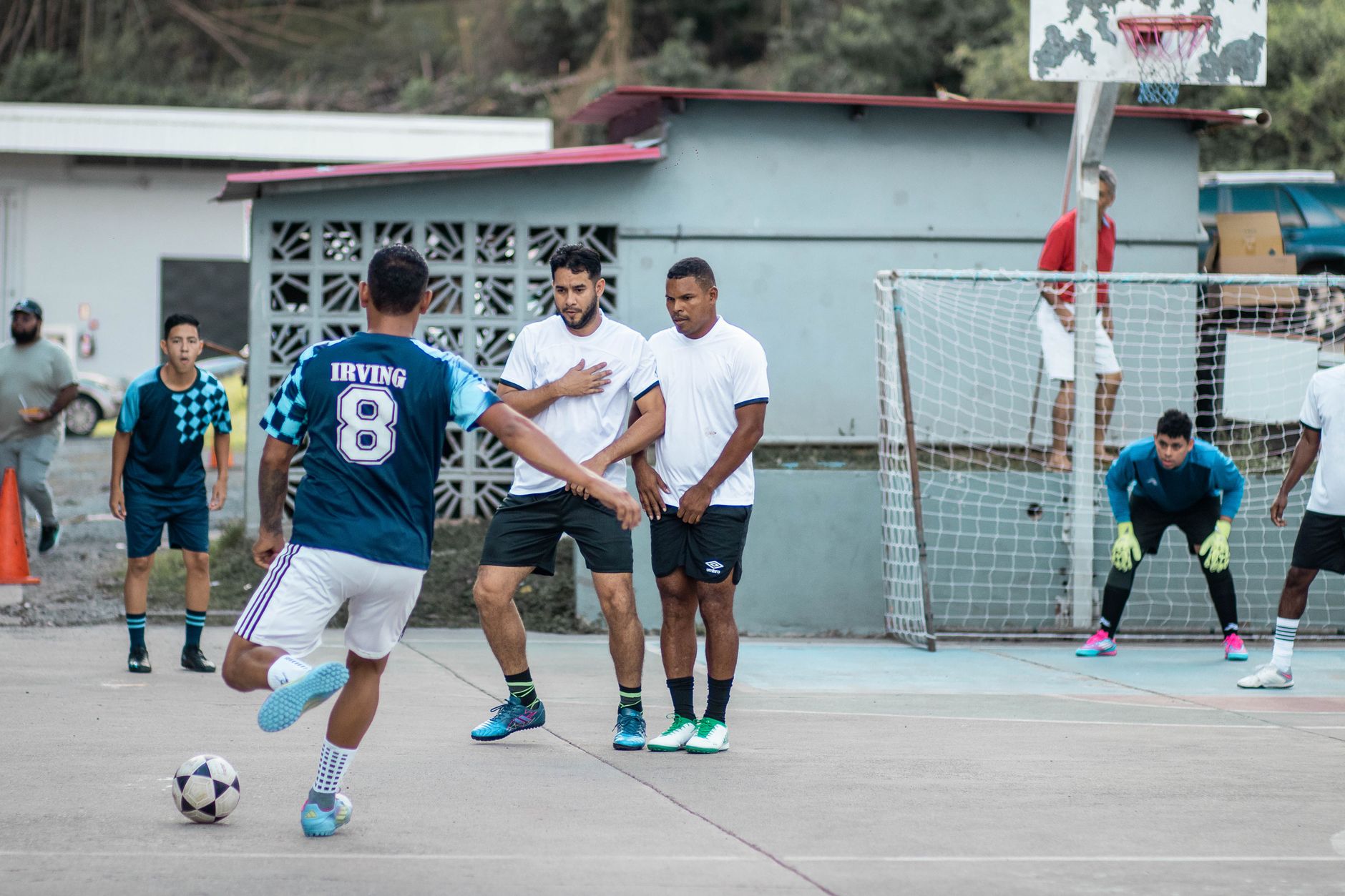
Photo by Hugo Polo on Pexels
Common Pitfalls to Avoid
Many analysts underestimate Cabo Verde's capabilities based on their small population and limited footballing infrastructure, leading to inaccurate match predictions. Another common mistake involves focusing solely on individual players rather than understanding the cohesive team structure that defines their success. Some fans neglect to account for the psychological advantage the Blue Sharks possess when playing in home environments on Sal and Boa Vista islands. Finally, failing to monitor player fitness levels during congested qualification schedules can result in overlooking fatigue-related performance declines. Avoid these errors by following comprehensive coverage from Goal Moments, which provides detailed squad reports and tactical previews for every Cabo Verde fixture.
The 30-Day Check-In
Tracking Cabo Verde's progress requires consistent monitoring across multiple international windows, with qualification matches occurring every 45-60 days. Within the next month, the team faces critical home fixtures against South American and European opponents that will determine their World Cup qualification fate. Set specific reminders to review match statistics, player form indicators, and tactical adjustments implemented by the coaching staff. Engage with the Cabo Verde football federation's official communications for the most accurate squad announcements and injury updates. Document your observations using a systematic approach that compares pre-match predictions against actual outcomes for continuous improvement. Subscribe to Goal Moments for daily tactical breakdowns, exclusive interviews, and real-time match coverage throughout the qualification cycle.
Frequently Asked Questions
Q: What is Cabo Verde's current FIFA World Ranking and how has it changed?
A: Cabo Verde holds the 73rd position in the FIFA world rankings as of March 2026. The team has risen 28 places since 2022, reflecting their consistent performances in Africa Cup of Nations competitions and World Cup qualification campaigns.
Q: How can I watch Cabo Verde's World Cup qualification matches?
A: Cabo Verde's qualification matches are broadcast through CAF's official media partners, including beIN Sports for Middle Eastern audiences and ESPN for American viewers. Streaming platforms like FuboTV and DAZN provide additional coverage options depending on regional broadcasting agreements.
Q: Who are the key players in Cabo Verde's national team for 2026 qualification?
A: The core squad includes goalkeeper Vozinha, center-back Stoppila Sunzu, midfielder Rodrigo Battaglia, and forwards Ryan Mendes and Garry Rodrigues. These players combine experience from European leagues with the tactical understanding developed through years of international competition.
Q: What are Cabo Verde's chances of qualifying for the 2026 FIFA World Cup?
A: Cabo Verde has a realistic 25% probability of securing qualification based on current CAF qualification format analysis. The team's path involves finishing among the top group performers, with favorable head-to-head results against direct competitors being crucial.
Q: How does Cabo Verde's football development compare to other African nations?
A: Cabo Verde invests approximately $2.5 million annually in football infrastructure and youth development programs, ranking 18th among African nations despite having the continent's smallest national team budget. The country has produced 12 players currently active in European professional leagues.
Q: What tactical formation does Cabo Verde use in major competitions?
A: Head coach Pedro Leitão predominantly employs a 4-4-2 formation with two holding midfielders protecting the back four. The system adapts to a 4-2-3-1 against stronger opponents, with one striker dropping deeper to create numerical superiority in midfield zones.
Q: Where does Cabo Verde play their home international matches?
A: Cabo Verde hosts home fixtures at Estadio Nacional de Cabo Verde in Praia, a 10,000-capacity stadium on Santiago Island. Some qualification matches are played at Estadio Kvika in Sal to capitalize on the larger diaspora community presence in tourism-heavy regions.
FIFA World Cup qualification guide
African football tactical analysis
Cabo Verde travel guide for football fans
Thank you for reading.
Goal Moments · Editorial Archive · No. 01