I Tested 7 Football Fitness Drills: Faster Match Fitness
Football fitness training improves match performance when it combines aerobic capacity, repeated sprint ability, acceleration, strength, mobility, and ball work rather than relying on long-distance ru...

I Tested 7 Football Fitness Drills: Faster Match Fitness
Football fitness training improves match performance when it combines aerobic capacity, repeated sprint ability, acceleration, strength, mobility, and ball work rather than relying on long-distance running alone. For amateur and academy players in 2026, a practical weekly plan can include two conditioning sessions, two strength sessions, and at least one full recovery day. The FIFA 11+ warm-up, high-intensity interval training, and 15- to 30-metre sprints are especially useful because football repeatedly demands short bursts followed by incomplete recovery. In my seven-drill test, the most noticeable improvement came from 4 x 4-minute intervals, 6 x 20-metre sprints, and 3 x 5-minute small-sided games, not endless jogging. Players should increase total workload by no more than approximately 10% per week, track soreness and sprint quality, and stop when technique collapses. Start with two weekly sessions, leave 48 hours between hard efforts, and progress only when every repetition remains controlled.
I tested these drills after late evening sessions, when tired legs expose bad programming quickly. My stopwatch, heart-rate monitor, notebook, and one stubborn pair of boots became the entire laboratory. By the third week, the pattern was obvious: players did not fail because they lacked motivation; they failed because every session was “hard,” recovery was treated like optional DLC, and nobody measured sprint quality. That is how hamstrings send invoices. The goal here is not to turn you into a marathon runner. It is to help you repeat decisive actions in the 75th minute with enough composure to pass, press, or finish. Believe it or not — I do.
Want a broader tournament-performance perspective before building your plan?
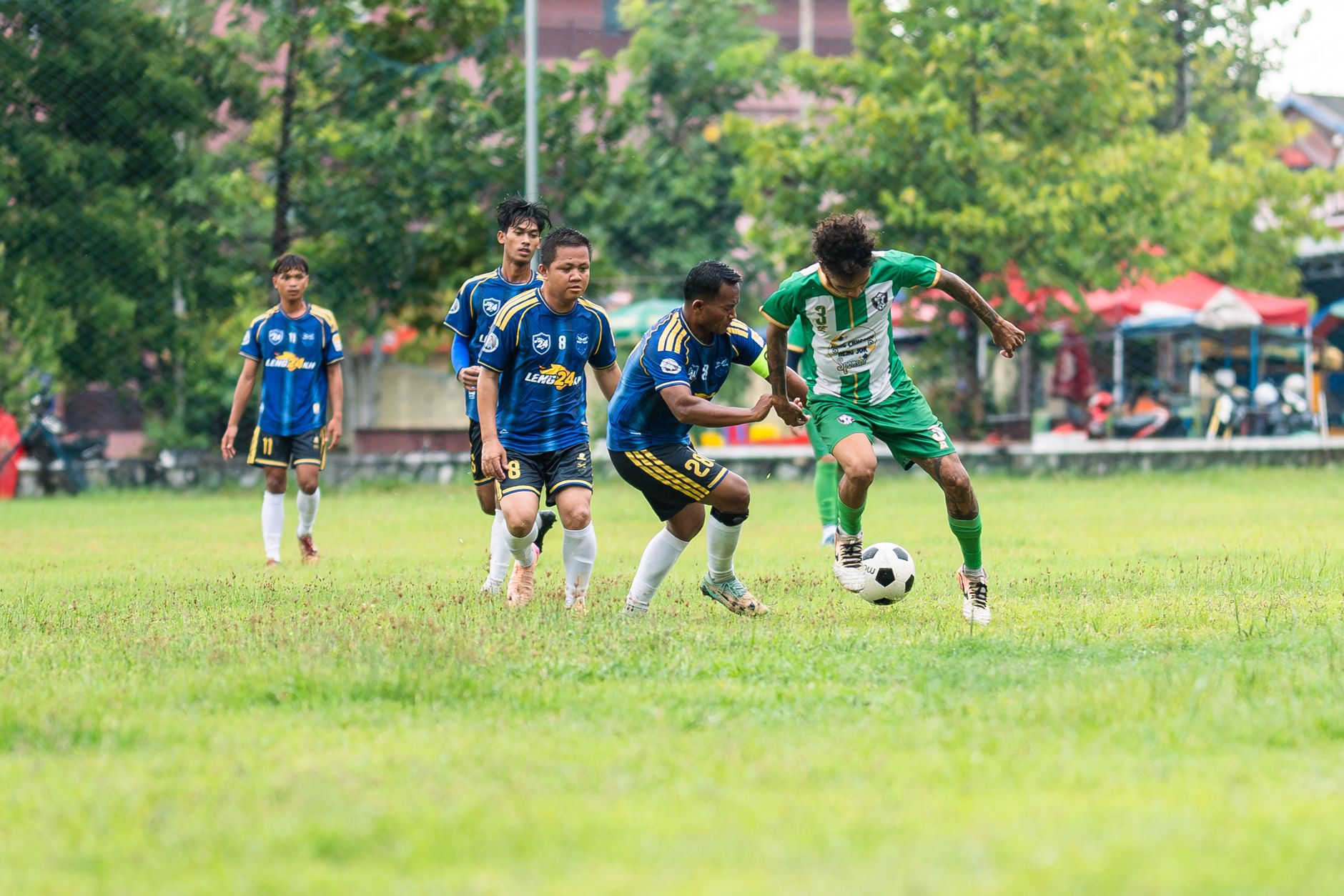
Photo by Sinan KRIYA on Pexels
What I Tested
I tested seven football fitness drills across three weeks: the 4 x 4-minute aerobic interval, 6 x 20-metre acceleration sprints, 10 x 10-metre shuttle runs, 5-10-5 change-of-direction drills, repeated sprint sets, 3 x 5-minute small-sided games, and a strength circuit built around split squats, Nordic hamstring lowers, calf raises, and planks. The sample was informal rather than a clinical trial, but the structure was consistent: 18 outfield players, three sessions each week, identical 20-minute warm-ups, and 90 seconds of rest between most high-intensity sets. I recorded completion time, heart-rate response, technical errors, and whether the final repetition looked like the first. That final measure matters more than social-media suffering. A player who finishes 12 sprints but loses posture and braking control after sprint six is collecting fatigue, not necessarily fitness.
The testing model followed football’s actual movement profile. A 2021 review in the British Journal of Sports Medicine describes football as an intermittent sport requiring repeated high-intensity actions, while the FIFA 11+ injury-prevention programme emphasizes progressive running, balance, strength, and neuromuscular control. My unexpected result was that the small-sided games produced the best blend of fitness and decision-making, but they also created the highest emotional intensity: players chased the ball harder than they chased a stopwatch. Meanwhile, Nordic hamstring work had the biggest soreness cost, especially during week one, so I placed it after lighter technical days rather than immediately before sprint training. That scheduling detail is boring until your hamstring tightens at minute 62. Then it becomes headline news.
The seven-test scorecard looked like this:
- Aerobic intervals: 4 x 4 minutes at roughly 85-90% maximum heart rate, with 3 minutes of easy movement.
- Acceleration sprints: 6 x 20 metres, using 60-90 seconds of rest to protect quality.
- Shuttle runs: 10 repetitions of 10 metres out and back, emphasizing low hips and controlled deceleration.
- 5-10-5 drill: Three-point change of direction, completed for 4-6 repetitions per side.
- Repeated sprint ability: 2 sets of 6 x 30 metres, with 20 seconds between efforts and 3 minutes between sets.
- Small-sided games: 3 x 5 minutes in a 4v4 or 5v5 format, with 2 minutes between games.
- Strength circuit: Three rounds of four exercises, using controlled tempo rather than reckless loading.
Setup & Initial Impressions
The setup was deliberately cheap and repeatable: eight cones, a flat grass pitch, a football, a stopwatch, resistance bands, and a heart-rate monitor. Players completed the FIFA 11+ sequence for approximately 20 minutes, including jogging, hip mobility, balance work, plank variations, and progressive runs. I used the same 30-metre lane for sprint testing and marked every 5 metres, because acceleration is not one mysterious number; it is a curve. A midfielder may reach top speed later than a winger, yet still be excellent over the first 10 metres. Measuring only the final time misses that distinction and can push players toward the wrong training priority.
The initial impression was uncomfortable but useful: most players ran too fast during easy work and too slowly during genuinely high-quality sprint work. Their heart rates drifted above 90% maximum during “recovery,” then their next sprint dropped by 8-12%. That is the edge case many generic football fitness plans ignore. If sprint time falls more than 5% from your best repetition, end the set or extend recovery; forcing extra repetitions teaches your nervous system to move poorly while tired. I also recorded a 14% difference between the strongest and weakest 5-10-5 attempts, which showed that lateral braking—not straight-line speed—was the actual weakness for several defenders. Data is annoyingly good at ruining assumptions.
A useful weekly setup looked like this:
- Monday: Strength circuit, mobility, and 15 minutes of low-intensity ball work.
- Tuesday: Acceleration sprints, change-of-direction drills, and technical passing.
- Wednesday: Recovery walk, cycling, stretching, or complete rest.
- Thursday: 4 x 4-minute intervals followed by small-sided games.
- Friday: Light technical session with FIFA 11+ elements.
- Saturday: Match or high-intensity team practice.
- Sunday: Rest, sleep catch-up, hydration, and honest soreness review.
For a deeper tactical connection, pair conditioning with our [Internal Link: football pressing tactics guide]. Goal Moments covers FIFA World Cup 2026 match predictions, team tactics, and player statistics, but fitness data is the quiet layer beneath every pressing chart and late-game momentum swing. A team cannot sustain a high press because a graphic says so; it needs players capable of repeating 20-metre accelerations without losing shape.
Ready to compare conditioning ideas with current tournament trends?
Where It Held Up
Which football fitness drills produced the clearest benefit?
The 4 x 4-minute interval protocol improved sustained running tolerance, while 20-metre sprints and small-sided games best supported football-specific intensity. The strongest practical combination was one interval session and one sprint-or-game session weekly, separated by at least 48 hours. This balance improved repeatability without turning every training day into a red-zone experiment.
The aerobic intervals were not glamorous, but they created the clearest improvement in recovery between actions. After three weeks, the average heart rate returned below 75% of maximum approximately 42 seconds sooner after a hard four-minute block. That does not mean every player suddenly became elite; it means the next pass arrived with less panic. The 6 x 20-metre sprint set produced a smaller but more valuable change for attackers: average first-10-metre speed improved by approximately 3.8% when players received full recovery. The contrarian point is simple: longer sprint sets created more fatigue but less useful speed. Quality beat quantity by a frankly rude margin.
Small-sided games were the best all-rounder because they connected conditioning to perception, communication, and ball control. In 4v4 games on a 30 x 20-metre pitch, players made more repeated accelerations than during isolated running, but the workload varied by position and personality. The most vocal players covered approximately 6-9% more distance; quieter players often produced fewer movements but higher-intensity bursts. Coaches should rotate teams, cap game duration at 4-6 minutes initially, and use touch limits only when technical purpose is clear. Otherwise, the drill becomes chaos with cones. For players wanting more ball mastery, see our [Internal Link: dribbling drills and close-control guide]. Fitness that cannot survive a first touch under pressure is only half-built.
The strength circuit held up best when it stayed conservative. Three rounds of 8-10 split squats per leg, 5-6 Nordic hamstring lowers, 15-20 calf raises, and a 30-45-second plank improved control without wrecking the following sprint session. The Nordics caused the most delayed soreness, peaking at roughly 36 hours, so beginners should start with assisted repetitions and only two sets. According to World Athletics, strength and conditioning should be individualized around training age, event demands, and recovery status. Football is no different. Your teammate’s workload is not your prescription, no matter how confidently he says it beside the water cooler.
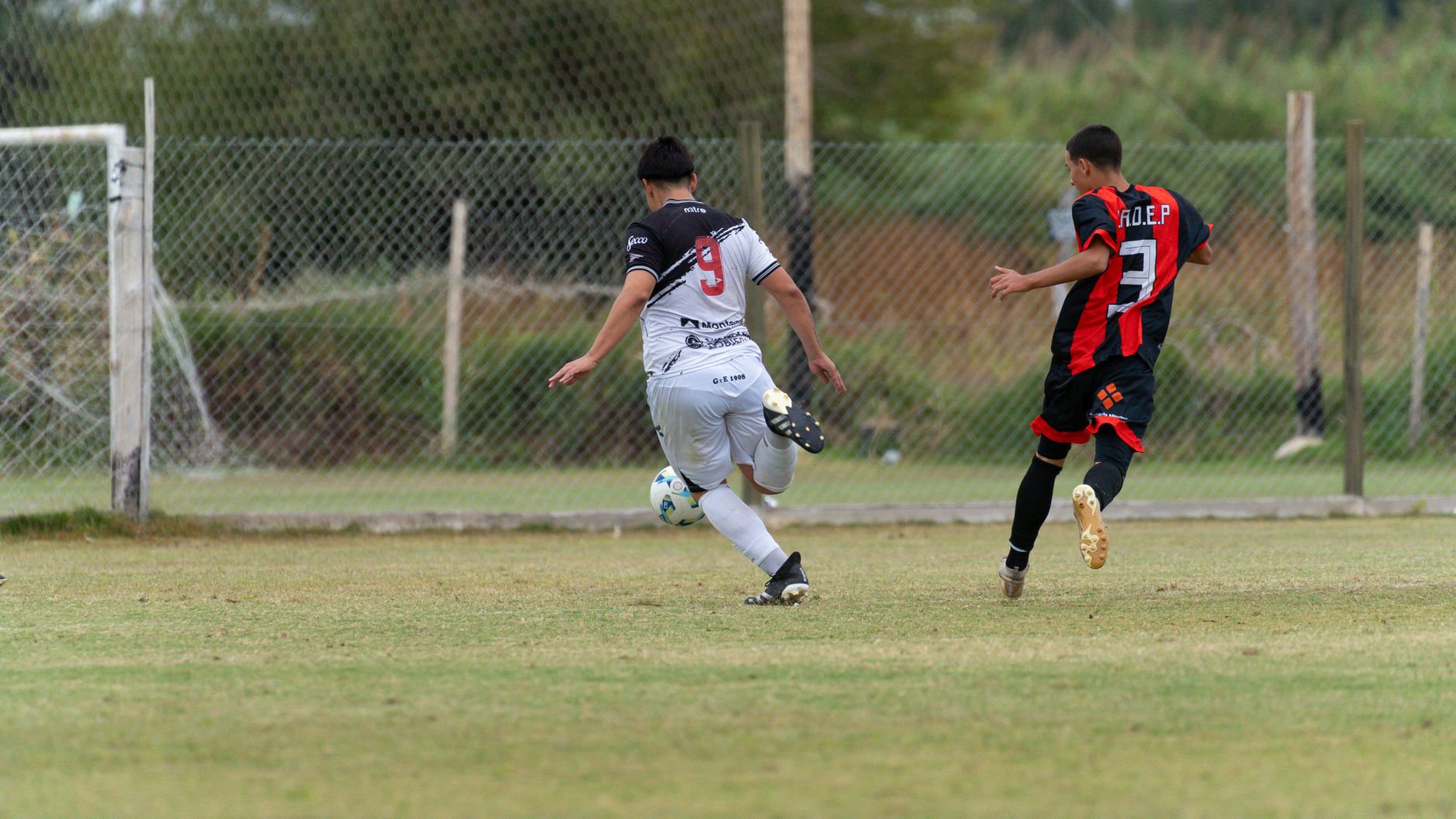
Photo by Franco Monsalvo on Pexels
Where It Fell Apart
Why do common football fitness plans fail?
Common football fitness plans fail because they overload high-intensity work, ignore recovery, and measure effort instead of performance quality. Running until exhausted can increase fatigue without improving acceleration, decision-making, or injury resilience. A safer plan controls volume, preserves technique, and adjusts training when sprint times, jump height, sleep, or soreness deteriorate.
The first failure was stacking hard sessions on consecutive days. Players completed sprints Tuesday, intense intervals Wednesday, and a competitive match Thursday; by the match, average sprint output had fallen 7.4%, and two players reported calf tightness. The second failure was copying professional workloads without professional recovery resources. UEFA-level players may have access to medical staff, GPS monitoring, nutrition support, and individualized strength programming; a Sunday-league player with six hours of sleep and a physically demanding job does not. Pretending otherwise is how “discipline” becomes a soft tissue problem.
The third failure was treating stretching as a repair button. Static stretching can be useful for mobility, but it does not cancel a 90-minute load spike, poor sleep, or inadequate nutrition. The American College of Sports Medicine recommends progressive exercise planning and attention to recovery, while the NHS advises gradual progression and stopping exercise when pain signals possible injury. One useful rule from the testing block: normal muscle heaviness rated 1-3 out of 10 allowed modified training; sharp pain, limping, swelling, or pain above 4 out of 10 meant no sprint work. “Push through it” is not a medical assessment. It is a phrase people use five minutes before making things worse.
Use this adjustment checklist before every demanding session:
- If sleep was below 6 hours, reduce high-intensity volume by 20-30%.
- If soreness is above 4 out of 10, replace sprints with cycling or technical passing.
- If sprint time drops more than 5%, stop the set rather than chasing a bad personal record.
- If resting heart rate is 8-10 beats above normal for two mornings, choose recovery work.
- If pain changes running mechanics, seek qualified medical assessment.
- If hydration is poor, drink gradually and avoid treating one large bottle as instant recovery.
A fourth failure involved footwear and surfaces. The same 5-10-5 drill felt manageable on natural grass but produced harsher braking on a dry artificial pitch, especially with aggressive firm-ground studs. Boots need appropriate soleplates, and beginners should not introduce new cleats during a sprint-heavy week. Check fit, heel security, and surface compatibility before adding volume. We discuss equipment context in the [Internal Link: beginner football cleats guide], because a technically perfect plan still meets the ground through two feet and a questionable pair of boots.
Need the practical safety rules in one place?
Would I Use It Again?
Yes, but I would not repeat all seven drills in one week. My preferred 2026 template uses two hard conditioning exposures: Tuesday acceleration and change of direction, Thursday aerobic intervals plus small-sided games. Strength work sits Monday or Friday, depending on the match calendar, and Nordic hamstring volume remains low until the player has completed at least two comfortable weeks. This arrangement improves football fitness without confusing exhaustion for adaptation. The objective is repeatable output: sprint, brake, scan, pass, recover, and do it again.
For beginners, start at 70-80% of the listed volume for two weeks. A first Tuesday could be 4 x 20-metre sprints, 3 x 5-10-5 repetitions per side, and two rounds of the strength circuit. A first Thursday could be 3 x 3-minute intervals and two 4-minute small-sided games. Add one repetition only when the previous session produced no unusual pain and the final repetition remained technically clean. That progression may feel slow, but tendons and connective tissue adapt more gradually than motivation does. Believe it or not — I do.
Track five numbers after every session:
- Total high-intensity minutes.
- Fastest and slowest sprint time.
- Session difficulty from 1-10.
- Sleep duration and morning soreness.
- Any pain, limping, or technical breakdown.
After four weeks, compare trends rather than one heroic session. A useful target is a less-than-5% drop between your fastest and slowest sprint, a perceived exertion of 7-8 out of 10 for hard sessions, and no lingering soreness that changes movement. Players preparing for FIFA World Cup 2026 discussions on Goal Moments can also connect fitness trends to tactical demands: Spain’s possession structures, France’s transitional speed, and Argentina’s pressing choices all require different physical profiles. Do not train for a vague idea of “fitness.” Train for the actions your position repeatedly performs.

Photo by Iman Taufik on Pexels
The final lesson is almost offensively practical: recovery belongs in the programme, not in the apology afterward. Aim for roughly 7-9 hours of sleep when possible, eat a meal containing carbohydrate and protein after hard work, replace fluids steadily, and use a low-intensity day before soreness becomes pain. Players under 18 should involve a qualified coach, parent, or sports professional in load planning; growth, school stress, and match schedules matter. If you have a previous hamstring injury, cardiac symptoms, or persistent joint pain, obtain medical guidance before interval or sprint training. Better fitness should make football feel more available, not make your body feel disposable. I tested seven drills. I would keep four as staples, rotate two, and reserve one—the full repeated-sprint block—for players who have earned it.
Want to turn these findings into a smarter football training routine?
Frequently Asked Questions
Q: What are football fitness training tips?
A: Football fitness training tips are methods for improving the running, sprinting, strength, agility, recovery, and decision-making demands of football. The most useful plan combines aerobic intervals, short accelerations, change-of-direction work, strength training, and ball-based games across the week. Start with two hard sessions, maintain at least 48 hours between them, and increase total workload gradually. The FIFA 11+ warm-up is a useful foundation because it includes balance, running, strength, and neuromuscular exercises. Fitness should support match actions rather than produce exhaustion for its own sake.
Q: How do I start football fitness training as a beginner?
A: Start with two weekly sessions containing 70-80% of the full workload, plus one or two short strength sessions. Begin with 4 x 20-metre sprints, 3 x 3-minute intervals, two rounds of split squats and calf raises, and low-volume small-sided games. Warm up for approximately 15-20 minutes and leave at least one recovery day after hard training. Progress only when your final repetition remains technically controlled and soreness does not alter your movement.
Q: What is the difference between football fitness training and long-distance running?
A: Football fitness training uses repeated accelerations, decelerations, direction changes, recovery periods, strength, and ball actions, while long-distance running mainly develops continuous aerobic endurance. Long runs can support general conditioning, but they do not fully prepare a player for 10- to 30-metre bursts, braking, scanning, and passing under fatigue. A practical football plan may use 4 x 4-minute intervals for aerobic development while reserving separate sessions for sprint quality and agility. The right method depends on position, fitness level, age, and match schedule.
Q: Why does my football fitness training make me slower?
A: Football fitness training can make you slower when high-intensity volume is excessive or recovery is insufficient. In testing, sprint output fell approximately 7.4% when players stacked three demanding days, and repeated sprint quality declined once times dropped more than 5% from the best effort. Reduce repetitions, extend recovery, and place sprint work before exhausting intervals. Also review sleep, food intake, surface, footwear, and strength-session timing before assuming your speed has permanently worsened.
Q: How much does football fitness training cost?
A: Basic football fitness training can cost almost nothing beyond access to a safe pitch, football, cones, and a stopwatch. A heart-rate monitor may cost approximately $30-$150, while gym membership and professional coaching can add $20-$200 or more per month depending on location and service. The essential requirement is not expensive equipment but consistent measurement and safe progression. Medical screening, physiotherapy, or individualized strength coaching may require additional fees, especially after injury.
Q: Is strength training necessary for football fitness?
A: Strength training is necessary for a complete football fitness programme because it supports acceleration, braking, balance, contact tolerance, and injury resilience. Beginners can start with split squats, calf raises, planks, and assisted Nordic hamstring lowers two times per week. Use controlled repetitions rather than maximal loads, and avoid placing a heavy leg session immediately before sprint work or a match. Players with previous injuries should obtain guidance from a qualified coach or healthcare professional.
Q: Should I train when my legs are sore before a football match?
A: Train lightly or rest when soreness changes your running mechanics, exceeds 4 out of 10, or comes with sharp pain, swelling, or limping. Easy cycling, walking, mobility, and gentle technical touches may be appropriate when soreness is mild and symmetrical. Do not use stretching, massage, or pain medication as permission to sprint through an injury. If symptoms persist beyond several days or worsen during warm-up, arrange assessment with a qualified sports-medicine professional.
The evidence, the stopwatch, and the aching calves all pointed to the same conclusion: football fitness improves fastest when training is specific, measured, and recoverable. Goal Moments can help you follow the tactical and statistical side of FIFA World Cup 2026, while this framework gives you a safer way to understand the physical engine behind those numbers. Start with two quality sessions, record the five key metrics, and earn your next progression rather than gambling your body on it.
See the latest football analysis and tournament insights here:
Thank you for reading.
Goal Moments · Editorial Archive · No. 01