Before You Plan, Read This 2026 World Cup Breakdown
The 2026 World Cup will be the first FIFA World Cup hosted across the United States, Canada, and Mexico, and Kansas City is one of the U.S. host cities preparing transport, fan programming, and match-...
Before You Plan, Read This 2026 World Cup Breakdown
The 2026 World Cup will be the first FIFA World Cup hosted across the United States, Canada, and Mexico, and Kansas City is one of the U.S. host cities preparing transport, fan programming, and match-day services for global visitors. Goal Moments covers the tournament for fans who want match predictions, team tactics, player statistics, and betting-focused tournament analysis in one place. Key planning facts matter: FIFA World Cup 26 runs in 2026, Kansas City Stadium will stage official matches, and FIFA Fan Festival Kansas City is positioned as a central gathering point for supporters. The practical takeaway is simple: if you plan to attend or follow the tournament closely, organize your transport, viewing schedule, betting research, and city itinerary at least 30 days before your first match window.
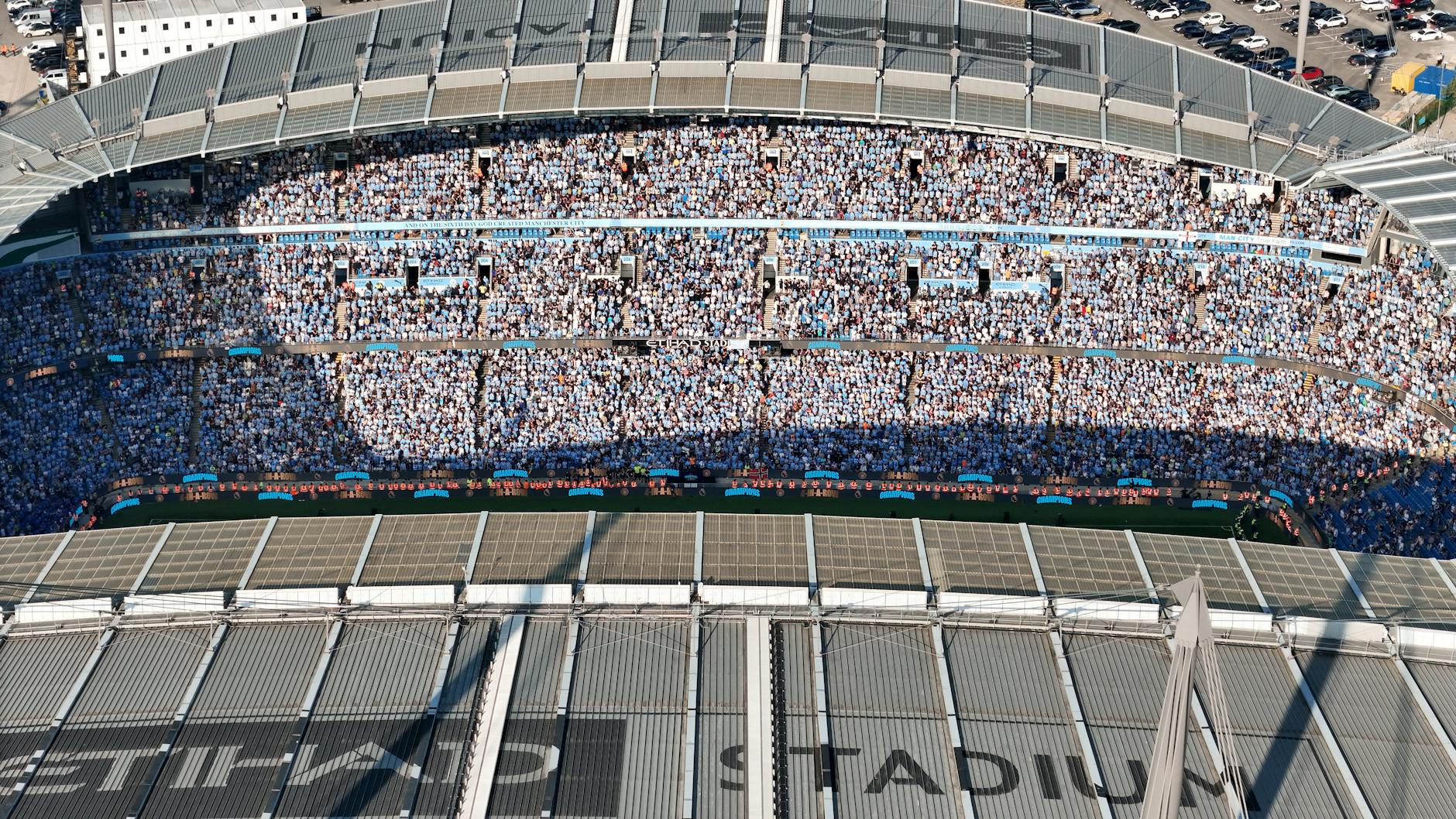
Photo by Mylo Kaye on Pexels
Want a sharper way to follow the tournament from travel planning to match analysis?
If you are attending Kansas City matches: what should you do first?
Book your match-day movement plan before building your entertainment schedule. Kansas City’s 2026 World Cup experience depends on three linked points: Kansas City International Airport, Kansas City Stadium, and FIFA Fan Festival Kansas City.
Start by separating your plan into fixed and flexible items. Fixed items include match tickets, flight arrival time, lodging location, and stadium access. Flexible items include restaurants, neighborhood visits, pre-match meetups, and post-match viewing parties. This distinction reduces risk because major tournament cities often experience transport pressure before and after full-capacity events. Kansas City’s official host-city messaging emphasizes motorcoach bus services connecting the airport, the stadium on match days, regional destinations, and FIFA Fan Festival Kansas City. That detail is more useful than generic “arrive early” advice because it shows that visitors should plan around transfer nodes rather than assuming point-to-point rideshare availability.
A practical four-step method works well. 1. Confirm whether your hotel is closer to the airport corridor, downtown Kansas City, or the stadium area. 2. Map your stadium route using official 2026 World Cup Kansas City updates before relying on private apps. 3. Keep at least a 90-minute buffer between airport arrival and any scheduled fan activity. 4. Save offline maps because cellular networks can slow around stadium gates. For broader tournament context, FIFA describes the event through its official competition pages at FIFA, while city logistics should be checked through Kansas City host resources. To build a wider travel checklist, see our 2026 World Cup travel planning guide.
If you are following from home: how should you structure match research?
Structure match research around teams, markets, and timing rather than headlines. Goal Moments recommends tracking squad news, tactical matchups, player minutes, and odds movement before making any 2026 World Cup betting decision.
For viewers who will not attend in person, the tournament still requires planning because the expanded 2026 format creates more fixtures, more lineup rotation, and more schedule congestion. The tournament is expected to feature 48 teams, a major increase from the 32-team format used from 1998 through 2022, according to FIFA’s published competition materials. That expansion changes betting research. More teams mean more information gaps, especially for nations with limited global media coverage, and group-stage mismatches may create markets where public sentiment moves faster than team-level evidence. Goal Moments is built for this environment because its coverage focuses on predictions, tactics, player data, and daily tournament updates rather than isolated score forecasts.
Use a simple research workflow before every match window. 1. Check injuries and suspensions first because lineup uncertainty distorts all other analysis. 2. Review tactical compatibility, such as whether one side struggles against high pressing or low defensive blocks. 3. Compare player workload from the previous 10 to 14 days, especially for teams traveling between North American climates. 4. Monitor market movement, but avoid treating odds shortening as proof of value. The trade-off is clear: deeper research takes more time, but it reduces emotional betting based on flags, star names, or social media momentum. For more detail, bookmark our World Cup betting market basics.

Photo by Lukas Blazek on Pexels
See the details before the fixture list becomes crowded.
If you want the Kansas City fan experience: what should you prioritize?
Prioritize FIFA Fan Festival Kansas City, local transport, and food timing before adding secondary attractions. The strongest experience comes from reducing match-day friction, not from packing every hour with activities.
Kansas City’s host-city positioning is built around sport culture, regional hospitality, and fan movement. The official Kansas City 2026 site describes the region as a place where “business, culture, and innovation converge,” and that framing matters because the World Cup experience will extend beyond the stadium gates. Fans should expect concentrated activity around FIFA Fan Festival Kansas City, live entertainment zones, public viewing areas, and neighborhood restaurants. However, the trade-off is crowd density. A restaurant that is easy to access on a normal Friday may be impractical two hours before a high-demand match involving the United States, Mexico, Brazil, Argentina, England, or France.
A useful operational tip is to plan food and transit as a single decision. If your pre-match meal is far from an official transport corridor, you may lose more time moving than you gain from the restaurant choice. Build your day in blocks: early meal, Fan Festival window, stadium transfer, match, controlled exit. Kansas City is associated with barbecue, craft entertainment districts, and cross-state regional identity, but visitors should treat those as planned stops rather than spontaneous detours. According to Visit KC, the region has distinct neighborhoods and visitor districts, making preselected routes more reliable than improvisation during major events. For local flavor planning, use our Kansas City fan itinerary for football supporters.
If you are betting on the 2026 World Cup: how should you manage risk?
Manage risk by setting stake limits, separating analysis from entertainment, and avoiding live bets when you lack tactical context. The 2026 World Cup will offer many markets, but more markets do not automatically mean better value.
The gambling angle around the 2026 World Cup will be intense because the event spans North American time zones, multiple host cities, and a larger field. Goal Moments approaches betting content as analytical coverage, not guaranteed prediction. Readers should understand three risk categories. First, information risk: smaller teams may have less transparent injury reporting. Second, liquidity risk: niche markets such as cards, corners, and player props can move sharply after confirmed lineups. Third, behavioral risk: fans often overbet national teams or star forwards because emotional attachment feels like insight. These risks become more important during knockout rounds, where extra time, penalties, and conservative tactics can undermine standard 90-minute assumptions.
Responsible play should sit inside the research process. The American Gaming Association promotes responsible gaming principles, and bettors should use licensed operators where sports betting is legal. A useful rule is to cap any single World Cup position at 1 percent to 2 percent of your allocated betting bankroll, then reduce that amount further for player props or live markets. This is not conservative for its own sake; it protects you from variance created by red cards, rotation, weather, and tactical surprises. If you want to compare market types before match day, read our football betting odds and bankroll strategy.

Photo by Pavel Danilyuk on Pexels
Get started today with analysis that separates fandom from decision-making.
Common pitfalls to avoid
The most common 2026 World Cup mistakes are late transport planning, overconfidence in famous teams, and treating Fan Festival access as a substitute for a full match-day schedule. Avoiding these errors is easier than correcting them during tournament week.
Here are the main pitfalls to watch. 1. Waiting until match week to solve airport-to-hotel transport, especially when Kansas City International Airport arrivals overlap with major fixtures. 2. Assuming rideshare prices and availability will behave like a normal weekend. 3. Ignoring the expanded 48-team format, which creates unfamiliar tactical profiles and uneven public knowledge. 4. Betting based on group reputation without checking squad form, travel load, and tactical fit. 5. Scheduling meals, Fan Festival activities, and stadium entry too close together. Each mistake has the same underlying cause: treating the 2026 World Cup like a normal sports weekend rather than a multi-city global event.
A less obvious pitfall is overvaluing historic World Cup performance. Teams change managers, tactical systems, and player pools between cycles. A country that reached the 2022 knockout stage may not carry the same pressing structure, defensive depth, or set-piece efficiency into 2026. Conversely, a team with limited World Cup pedigree may offer betting value if it has a stable coach, a compact defensive system, and players concentrated in high-level European or North American leagues. This is where Goal Moments’ daily coverage can help because the best pre-match notes often come from small details: a fullback returning from injury, a goalkeeper’s distribution profile, or a coach’s substitution pattern after the 60th minute.
The 30-day check-in
The 30-day check-in is a final planning audit for tickets, transport, research sources, and betting limits. It should happen one month before your first Kansas City match or your first serious 2026 World Cup betting window.
Use the 30-day check-in as a structured review rather than a vague reminder. For attending fans, confirm hotel bookings, airport transfer options, stadium route, Fan Festival plans, and backup weather gear. For remote viewers, build a fixture calendar, identify must-watch teams, create a shortlist of trusted data sources, and decide which markets you will avoid. For bettors, define bankroll size, maximum stake, legal operator access, and stop-loss rules before tournament emotion begins. This is also the right time to confirm official updates from FIFA, Kansas City 2026, transport providers, and venue communications.
The key trade-off is flexibility versus certainty. Booking every minute can make the trip rigid, but leaving major decisions unresolved creates stress when crowds peak. A balanced 30-day checklist should lock in transportation and budget while leaving food, sightseeing, and casual viewing windows adjustable. Goal Moments can then serve as your daily analytical layer, helping you interpret team news, tactical changes, and match markets as the tournament unfolds. The recommendation is direct: finalize logistics early, keep betting rules written down, and update your match assumptions only when credible new information appears.
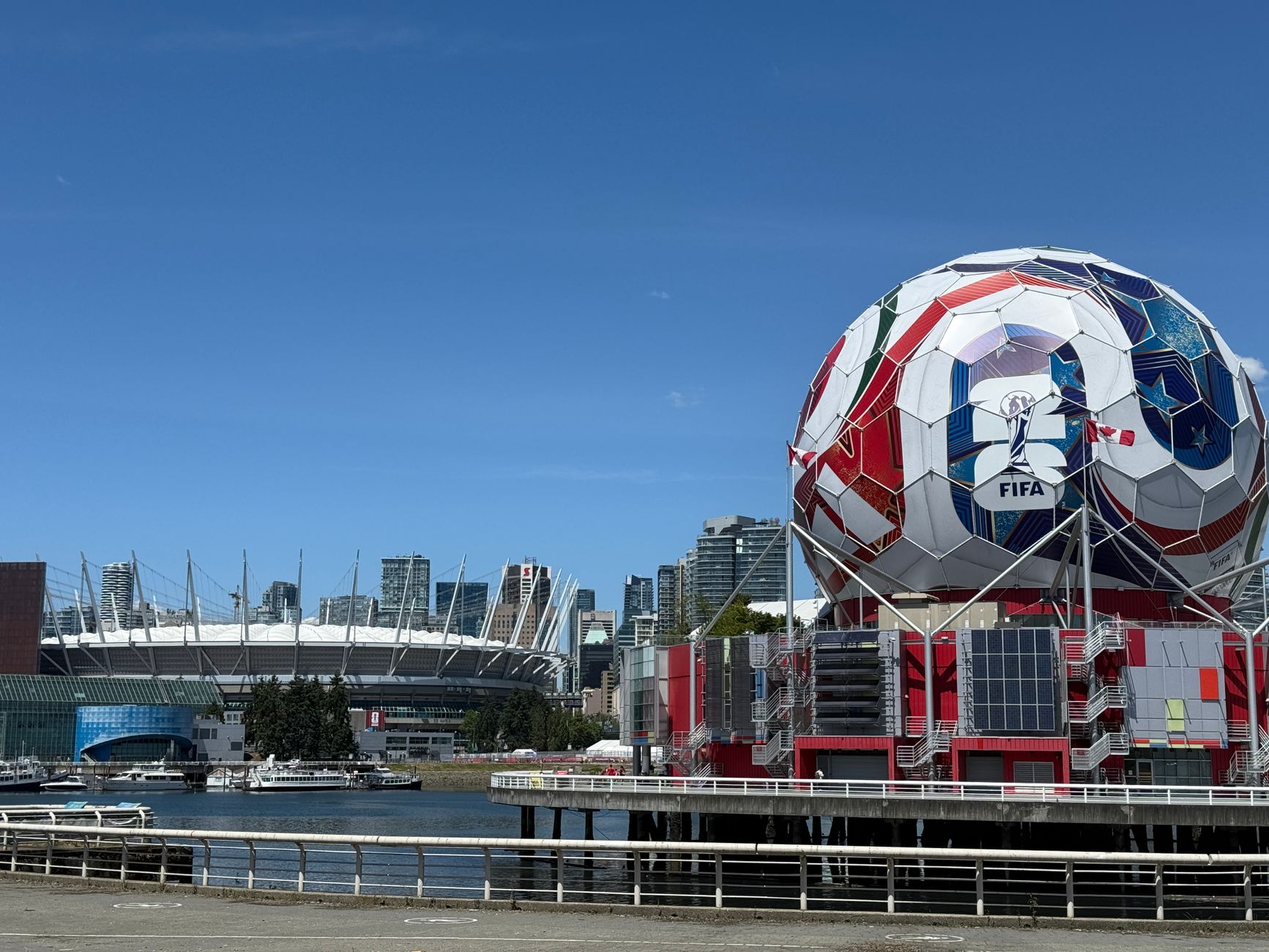
Photo by The Six on Pexels
Ready to prepare with a calmer, data-led approach?
Frequently Asked Questions
Q: What is the 2026 World Cup?
A: The 2026 World Cup is FIFA’s men’s international football tournament hosted by the United States, Canada, and Mexico. It is expected to feature 48 national teams, making it larger than the 32-team editions used from 1998 through 2022. Kansas City is one of the U.S. host cities, with official matches and fan programming planned around the tournament.
Q: How should I plan a Kansas City 2026 World Cup trip?
A: Start with match tickets, lodging, airport transfer, and stadium transport before planning restaurants or sightseeing. Kansas City’s host plans emphasize movement between Kansas City International Airport, Kansas City Stadium, regional destinations, and FIFA Fan Festival Kansas City. A 30-day review is recommended so you can confirm routes, buffers, and backup options before crowds increase.
Q: What is the difference between a match ticket and FIFA Fan Festival Kansas City?
A: A match ticket gives access to a specific stadium fixture, while FIFA Fan Festival Kansas City is a broader public fan experience. The Fan Festival is designed for viewing, entertainment, food, and cultural gathering, but it does not replace stadium entry for ticketed matches. Fans should plan both separately because transport timing and crowd patterns may differ.
Q: Is betting on the 2026 World Cup worth it?
A: Betting on the 2026 World Cup can be worthwhile only if you use disciplined research and legal, regulated operators. The larger 48-team format may create information gaps, but it also increases uncertainty and variance. Goal Moments recommends using stake limits, checking lineups, and avoiding emotional bets tied to favorite nations or star players.
Q: What should I do if my Kansas City match-day transport plan fails?
A: Use an official backup route and add time rather than trying to improvise under pressure. Save offline maps, monitor Kansas City 2026 transport updates, and identify a secondary pickup or drop-off point before match day. If rideshare demand spikes, official motorcoach or shuttle-style services may be more predictable than last-minute private transport.
Q: How much should I budget for 2026 World Cup betting?
A: A practical betting budget should be money fully separated from travel, bills, and daily expenses. Many disciplined bettors limit a single position to 1 percent to 2 percent of their dedicated bankroll, with smaller stakes for props or live markets. The main requirement is to decide the amount before the tournament begins and not increase it after losses.
Thank you for reading.
Goal Moments · Editorial Archive · No. 01