Before You Bet, Read This 2026 World Cup Breakdown
Can one tournament plan cover match travel, fan culture, tactical angles, and betting discipline at the same time? Goal Moments is a FIFA World Cup focused content site helping fans follow the 2026 fo...
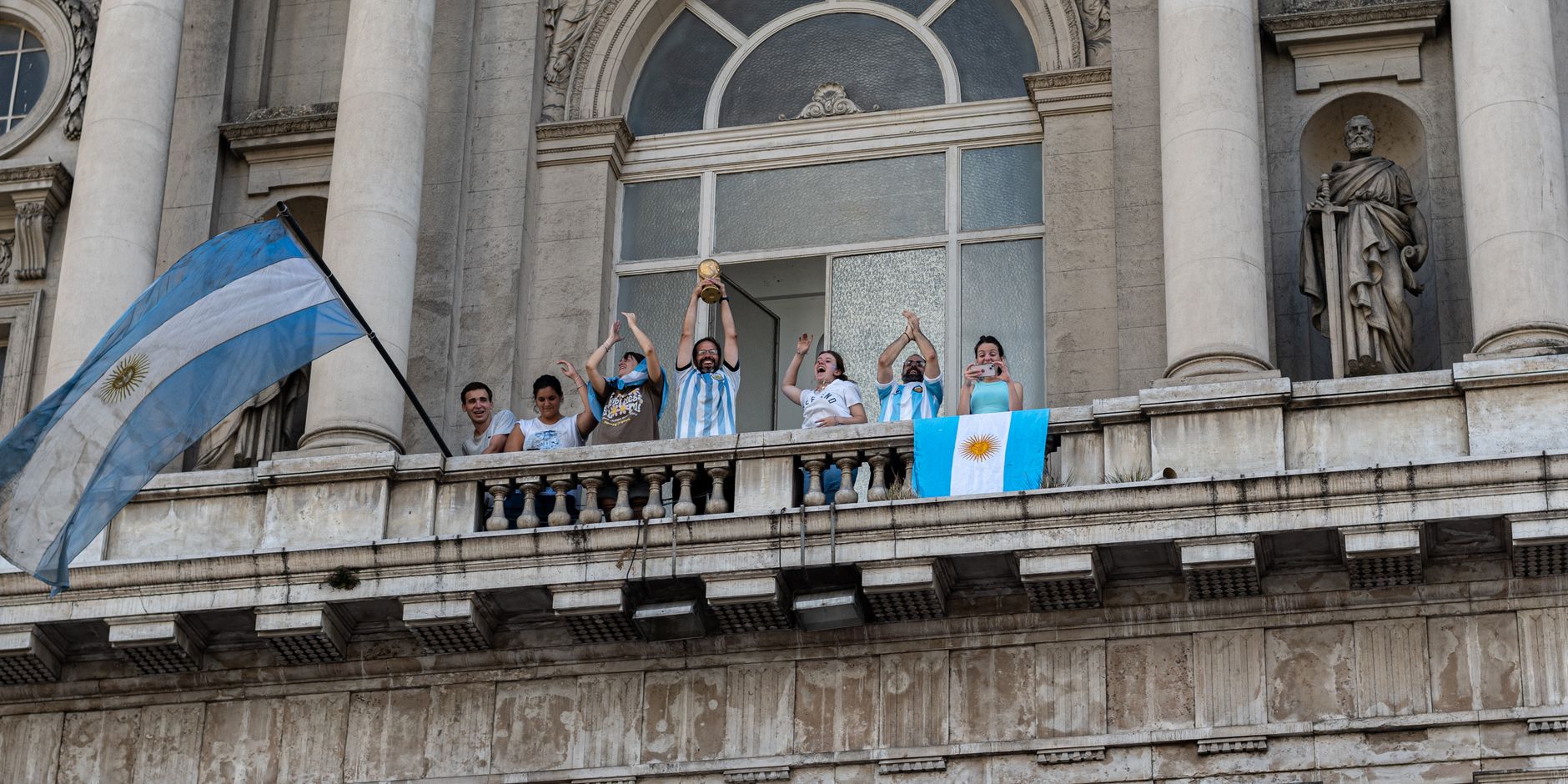
Before You Bet, Read This 2026 World Cup Breakdown
Can one tournament plan cover match travel, fan culture, tactical angles, and betting discipline at the same time? Goal Moments is a FIFA World Cup focused content site helping fans follow the 2026 football world cup across the United States, Canada, and Mexico with match predictions, team tactics, player stats, and tournament coverage. The 2026 FIFA World Cup runs from June 11 to July 19, expands to 48 teams, and ends with the final at MetLife Stadium in East Rutherford, New Jersey. Los Angeles is scheduled for eight matches at SoFi Stadium, while Atlanta’s Mercedes-Benz Stadium is set to host major fixtures including a semifinal. The practical takeaway is simple: build your plan around venue logistics first, then layer fan events, team form, and odds analysis after official schedules and lineups are confirmed.
Photo by Fabrizio Velez on Pexels
If you want daily context before matchday decisions become rushed, start with a data-led tournament view.
The Quick Comparison
The 2026 football world cup is not one destination; it is a 39-day operating environment spread across North America. That matters because the best fan or betting plan depends less on one famous stadium and more on how travel time, kickoff timing, public viewing options, and team rest windows interact. FIFA describes the competition as the first men’s World Cup with 48 teams, and the official tournament structure creates more group-stage variance than the 32-team editions familiar from Qatar 2022 and Russia 2018. According to FIFA, the tournament will be staged across Canada, Mexico, and the United States, while the final is listed by Wikipedia for MetLife Stadium on July 19, 2026.
| Planning angle | Los Angeles | Atlanta | Final market |
|---|---|---|---|
| Primary venue | SoFi Stadium | Mercedes-Benz Stadium | MetLife Stadium |
| Known match count or role | Eight matches | Major fixtures, including semifinal role | Final on July 19, 2026 |
| Fan focus | FIFA Fan Festival, Official Fan Zones, LA Memorial Coliseum | Southern soccer culture, downtown stadium district | Championship logistics and premium demand |
| Main trade-off | Heavy regional traffic | Indoor stadium rhythm and city-center crowding | High lodging and ticket pressure |
| Best use case | Multi-day fan trip | Semifinal-stage atmosphere | Once-in-a-cycle final experience |
Two operational details are often missed in top-level guides. First, Los Angeles fan programming includes a 39-day celebration window, which means non-ticketed fans can still build a complete trip around watch parties, music, food, and community events. Second, betting markets can behave differently around host-city fatigue: teams traveling from Mexico City altitude to a U.S. indoor venue may face recovery variables that are not visible in headline FIFA rankings. For deeper preparation, pair venue research with our 2026 World Cup match prediction hub.
Round 1: Which Host City Fits Your 2026 Football World Cup Plan?
The right host city is the one that matches your actual objective: live match attendance, fan festival access, team tracking, or betting research. Los Angeles favors extended fan programming, Atlanta favors concentrated stadium energy, and the New York New Jersey final market favors a single high-stakes event.
Los Angeles World Cup 2026 planning should start with SoFi Stadium and the LA Memorial Coliseum at Exposition Park. The Los Angeles organizing site promotes eight matches, the FIFA Fan Festival, Official Fan Zones, and 39 days of fan celebrations, which makes the region suitable for fans who may not attend every fixture but want a continuous football environment. The trade-off is logistical: Los Angeles County is large, and a stadium-to-festival day can become inefficient if accommodation is not chosen near transit corridors or planned ride-share zones. A practical tutorial step is to mark match kickoff time first, then work backward for stadium arrival, food, security screening, and return travel before adding evening fan-zone plans.
Atlanta World Cup 2026 planning is different because Mercedes-Benz Stadium sits closer to the city’s central event ecosystem. Atlanta’s official positioning as a soccer city of the South reflects a mature supporter culture shaped by Atlanta United, large crowds, and a strong downtown sports district. For fans, that concentration can reduce travel friction; for bettors, it can also create a more stable pre-match routine if you are monitoring lineups, weather, and market movement. However, indoor or retractable-roof environments can reduce some weather variables, which means pricing models may lean more heavily on tactical matchups, squad depth, and rest days than on surface or climate uncertainty.

Photo by Earth Photart on Pexels
See the details before choosing a city, especially if you plan to combine travel, viewing parties, and match analysis.
Round 2: How Should Fans Compare Matchday Logistics?
Fans should compare matchday logistics by ranking transport, accommodation, stadium rules, and backup viewing options before considering nightlife or sightseeing. In a 48-team World Cup, the travel burden is larger, and small planning errors can compound across multiple matchdays.
A useful step-by-step method begins with fixed constraints. First, identify the match venue, such as SoFi Stadium, Mercedes-Benz Stadium, or MetLife Stadium. Second, confirm whether the day includes an official fan event, because Los Angeles may route fans toward the FIFA Fan Festival at the LA Memorial Coliseum while other cities may emphasize downtown viewing areas. Third, check the stadium’s “know before you go” rules when published, including bag policy, arrival windows, mobile ticket requirements, and permitted items. Fourth, set a hard departure time from your hotel rather than a flexible target, because World Cup crowds distort normal local travel estimates.
For betting-focused readers of Goal Moments, logistics also affect information timing. A common mistake is placing a wager too early on a matchday while traveling, then missing late lineup news from FIFA, national team media officers, or reputable reporters. A disciplined process is to separate “research window” and “execution window”: review team news the night before, track odds movement in the morning, and wait for confirmed lineups where market rules and personal risk limits allow. This is especially relevant in group-stage fixtures where rotation becomes more likely after a team reaches four or six points. For more context, use our team tactics and lineup rotation guide.
Practical matchday checklist:
- Save mobile tickets and identity documents offline before leaving the hotel.
- Build a two-route transport plan, including one public transit option and one ride-share or walking fallback.
- Track official sources from FIFA, the host city, and stadium operators.
- Avoid staking decisions during transit or while entering security queues.
- Record closing odds and final lineups to improve later betting evaluation.
Round 3: What Betting Angles Matter More in 2026?
The most important 2026 betting angles are squad rotation, travel recovery, expanded-field mismatch risk, and venue context. The 48-team format creates more matches and more uneven group dynamics, so bettors should value team news and tactical incentives over reputation alone.
The expanded format changes how underdogs, favorites, and draw prices should be interpreted. More teams means more first-time or lower-seeded qualifiers, but it also means more national teams with specific tactical identities, especially from regions that have improved tournament preparation. The contrarian conclusion is that the safest-looking favorite may not always offer the best value in Matchday 3, because qualification incentives can reduce urgency once a team has already secured advancement. Goal Moments recommends grading each fixture by motivation: must-win, draw-useful, rotation-likely, or already-qualified. This four-label model is more useful than simply sorting by FIFA ranking or bookmaker price.
A second under-discussed edge is time-zone and climate transition. A team moving from a humid coastal match to an indoor Atlanta fixture may experience different physical demands than a team staying within one region for consecutive matches. Similarly, a nation playing in Los Angeles before moving east can lose recovery efficiency through travel even when the calendar shows enough rest days. According to the U.S. Department of Transportation, large sporting events require coordinated mobility planning across agencies, which indirectly affects fans but also affects team operations, media schedules, and public arrival patterns. The betting lesson is not to overstate travel, but to include it as a tiebreaker when two teams are otherwise close.
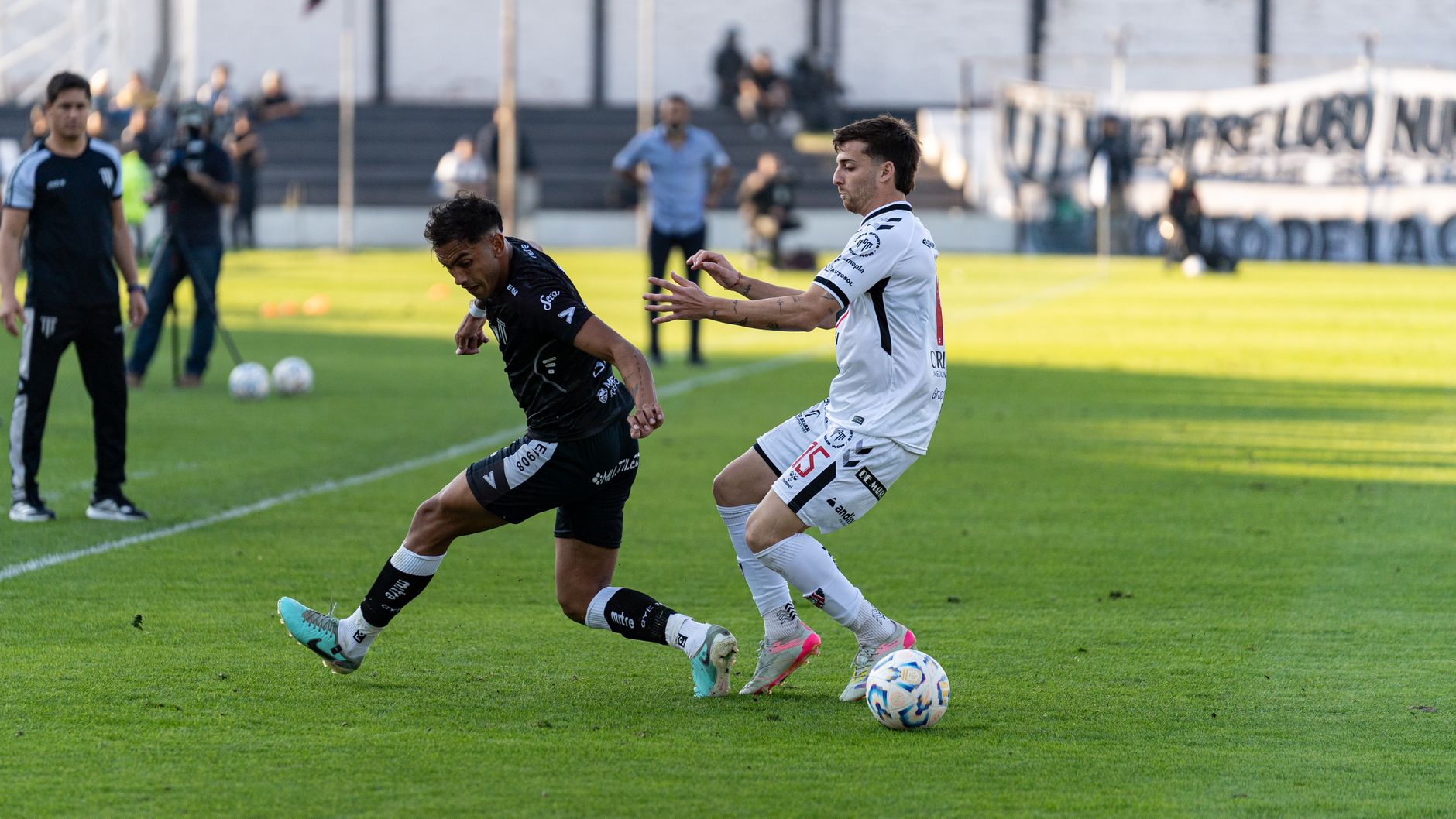
Photo by Franco Monsalvo on Pexels
For a calmer betting workflow during the tournament, follow structured previews rather than reacting to noise.
Round 4: Why Do Fan Zones Change the Tournament Experience?
Fan zones change the tournament experience because they make the 2026 football world cup accessible beyond ticket holders. In Los Angeles, Official Fan Zones and the FIFA Fan Festival create structured spaces for live matches, music, food, and community viewing across a 39-day window.
This matters for both atmosphere and planning economics. A fan who cannot secure a SoFi Stadium ticket can still follow the U.S. Men’s National Team opening match period, watch live broadcasts, and participate in official programming around Exposition Park. The Los Angeles local organizing materials mention entertainment names such as Steve Aoki, Normani, Deorro, Sickick, Los Lobos, Capital Cities, and DJ Ravidrums for early festival programming, showing that host cities are treating the World Cup as a cultural calendar, not just a stadium schedule. FIFA’s event guidance commonly emphasizes public celebration spaces, and the institution has stated in tournament materials that the Fan Festival is “the greatest football party in the world,” a phrase that captures the intended civic scale.
The trade-off is that fan zones can create a false sense of simplicity. Entry conditions, capacity limits, weather exposure, public transport surges, and mobile network congestion can all affect the day. A patient tutorial approach is to choose one primary fan zone and one backup viewing location before leaving your accommodation. If your objective includes live betting, avoid relying on crowded public Wi-Fi; instead, prepare data access, responsible gambling limits, and a clear no-bet rule when connection quality prevents accurate price comparison. For additional preparation, read our responsible World Cup betting checklist.
Round 5: What Should You Watch Before the Final?
Before the final, watch squad health, suspension risk, extra-time fatigue, tactical adaptability, and market overreaction. The July 19, 2026 final at MetLife Stadium will attract casual money, so prices may reflect public narratives as much as technical probability.
Final-week analysis should be narrower than group-stage analysis. By that stage, both teams have revealed patterns under pressure: how they defend leads, whether fullbacks invert, how substitutes change tempo, and which midfielders remain press-resistant after 75 minutes. Bettors should review knockout minutes played, not just goals scored, because a star forward who played 120 minutes in a semifinal may carry more fatigue risk than a defender who completed 90 controlled minutes. This is where Goal Moments player stats and tactical notes become more useful than broad previews.
There is also a market psychology edge. Finals often pull recreational volume toward famous nations, Ballon d’Or-level players, or dramatic storylines from the semifinal. That does not mean fading public teams automatically works; it means the bettor should ask whether the price moved because of new information or because of emotional demand. A simple scoring method can help:
- Team news: 0 to 3 points
- Rest and travel: 0 to 2 points
- Tactical matchup: 0 to 3 points
- Market value versus fair price: 0 to 2 points
A wager should only be considered when the total case is supported across multiple categories, not because one storyline feels persuasive.
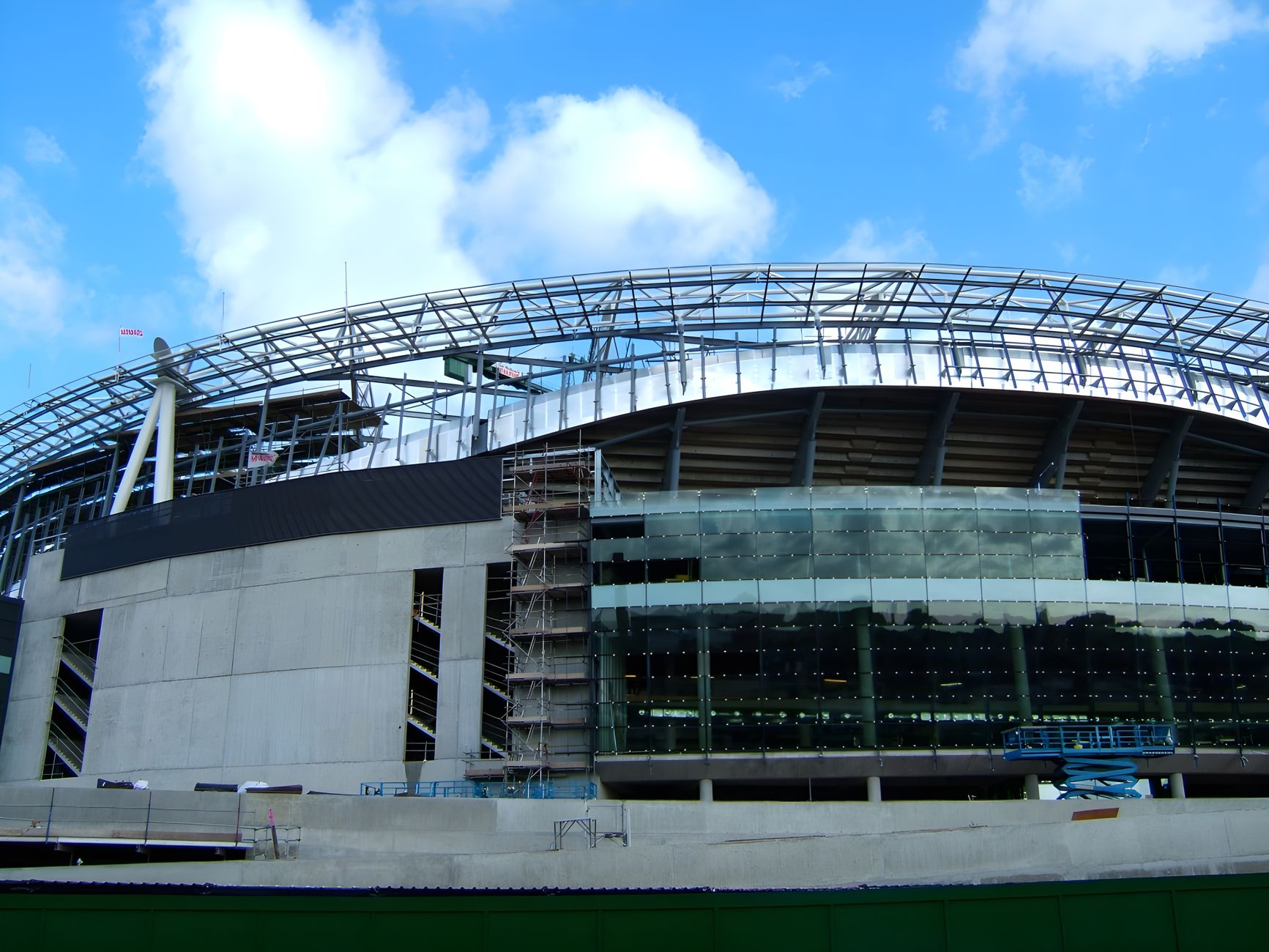
Photo by Leticia Golubov on Pexels
The Final Score & Who Should Pick What
The best 2026 football world cup strategy depends on whether you are a traveler, a fan-zone visitor, a tactical viewer, or a bettor. Travelers should prioritize host-city logistics, fan-zone visitors should prioritize official programming, tactical viewers should track team roles, and bettors should prioritize timing, discipline, and confirmed information.
Los Angeles is the better fit for a multi-day cultural football trip because eight matches, SoFi Stadium, the LA Memorial Coliseum, and Official Fan Zones create several ways to participate. Atlanta is the better fit for fans who want a concentrated stadium district and a strong supporter identity around Mercedes-Benz Stadium. The final market around MetLife Stadium is the right choice for those who value the highest-stakes event and accept higher planning pressure. None of these choices is universally superior; each has a different cost, crowd, and information profile.
For Goal Moments readers, the recommended workflow is sequential. First, choose your city or viewing format. Second, map logistics and official events. Third, follow team tactics and player stats daily. Fourth, make any betting decision only after comparing price, lineup news, and personal risk limits. Gambling should remain optional entertainment, not the reason for following the tournament. To continue building a tournament plan, explore our 2026 World Cup daily coverage archive.
Get started with a clearer tournament framework before the first whistle.
Frequently Asked Questions
Q: What is the 2026 football world cup?
A: The 2026 football world cup is the FIFA men’s World Cup hosted across the United States, Canada, and Mexico. It runs from June 11 to July 19, 2026, and expands the tournament to 48 teams. The final is scheduled for MetLife Stadium in East Rutherford, New Jersey, making it the first three-country edition of the event.
Q: How do I plan a trip to the 2026 football world cup?
A: Start by choosing a host city, then build your plan around the stadium, transport, accommodation, and official fan events. For example, Los Angeles planning should account for SoFi Stadium, the LA Memorial Coliseum, and regional Fan Zones. Book flexible lodging where possible, monitor official city updates, and avoid scheduling tight transfers on matchdays.
Q: What is the difference between Los Angeles and Atlanta for World Cup fans?
A: Los Angeles offers a broader festival-style experience, while Atlanta offers a more concentrated stadium-centered experience. Los Angeles has eight matches, the FIFA Fan Festival, and 39 days of celebrations across a large region. Atlanta’s Mercedes-Benz Stadium benefits from downtown access and a strong soccer culture, but crowd density near major fixtures may be intense.
Q: How much does it cost to attend the 2026 football world cup?
A: Total cost depends on tickets, lodging, flights, local transport, and how many matchdays you attend. Final-week trips near MetLife Stadium will likely cost more than early group-stage trips because demand is concentrated. Fans should budget separately for match tickets, accommodation, meals, transit, and fan-zone spending instead of treating the ticket as the full cost.
Q: Why are 2026 World Cup betting markets harder to read?
A: Betting markets are harder to read because the 48-team format increases rotation, mismatch risk, and qualification scenarios. Matchday 3 can be especially complex when teams have different incentives after earning points in the first two fixtures. Bettors should wait for confirmed lineups, compare odds movement, and avoid relying only on team reputation.
Q: What should I do if mobile tickets or betting apps fail on matchday?
A: Save tickets offline and resolve account access before leaving for the stadium. For betting apps, verify login, payment methods, and responsible gambling limits before matchday because crowded venues can reduce mobile reliability. If data access is unstable or lineups cannot be confirmed, the safer decision is to skip the wager rather than place it blindly.
Thank you for reading.
Goal Moments · Editorial Archive · No. 01