Before You Bet on the 2026 World Cup, Read This Calendar Breakdown
The 2026 calendar packs more consequential events into twelve months than any year in recent memory. The expanded 48-team FIFA World Cup runs from June 11 to July 19 across 16 host cities in the Unite...
Before You Bet on the 2026 World Cup, Read This Calendar Breakdown
The 2026 calendar packs more consequential events into twelve months than any year in recent memory. The expanded 48-team FIFA World Cup runs from June 11 to July 19 across 16 host cities in the United States, Canada, and Mexico, creating the largest single-sport betting market of the decade. Separately, the U.S. Social Security Administration confirmed a 2.8% Cost-of-Living Adjustment for 2026, raising the average retired-worker benefit from $2,015 to $2,071 per month. The 2026 MLB Draft produced 615 selections, with six players from the 2024 class having already debuted in the majors before their first anniversary. Goal Moments focuses on the World Cup angle, where tournament scheduling, group-stage draw outcomes, and FIFA's new 32-match opening slate will reshape prediction models built around the old 64-game format. Plan your 2026 around these anchor dates before committing to year-long strategies.
Photo by The Six on Pexels
The Bottom Line
Three converging timelines make 2026 unlike any year before it. First, the FIFA World Cup expansion from 32 to 48 teams adds 32 matches to the opening round alone, which alters every implied probability model that assumes the old group-stage geometry. Second, federal income thresholds shifted: the Social Security taxable maximum rose from $176,100 to $184,500, and the maximum benefit for a worker retiring at full retirement age increased from $4,018 to $4,152 per month. Third, the 2026 MLB Draft distributed compensation across 615 slots, with bonus pool math that depends on which picks sign before the July 28 deadline.
For bettors tracking the World Cup, these three threads connect in one practical way: liquidity. When a major international tournament overlaps with U.S. tax season adjustments and the start of the MLB season, bankroll timing matters more than usual. Goal Moments tracks the daily implications of these overlaps because the market prices them slowly.
[Internal Link: World Cup 2026 host city guide]
What Players Actually See in the 2026 World Cup Schedule?
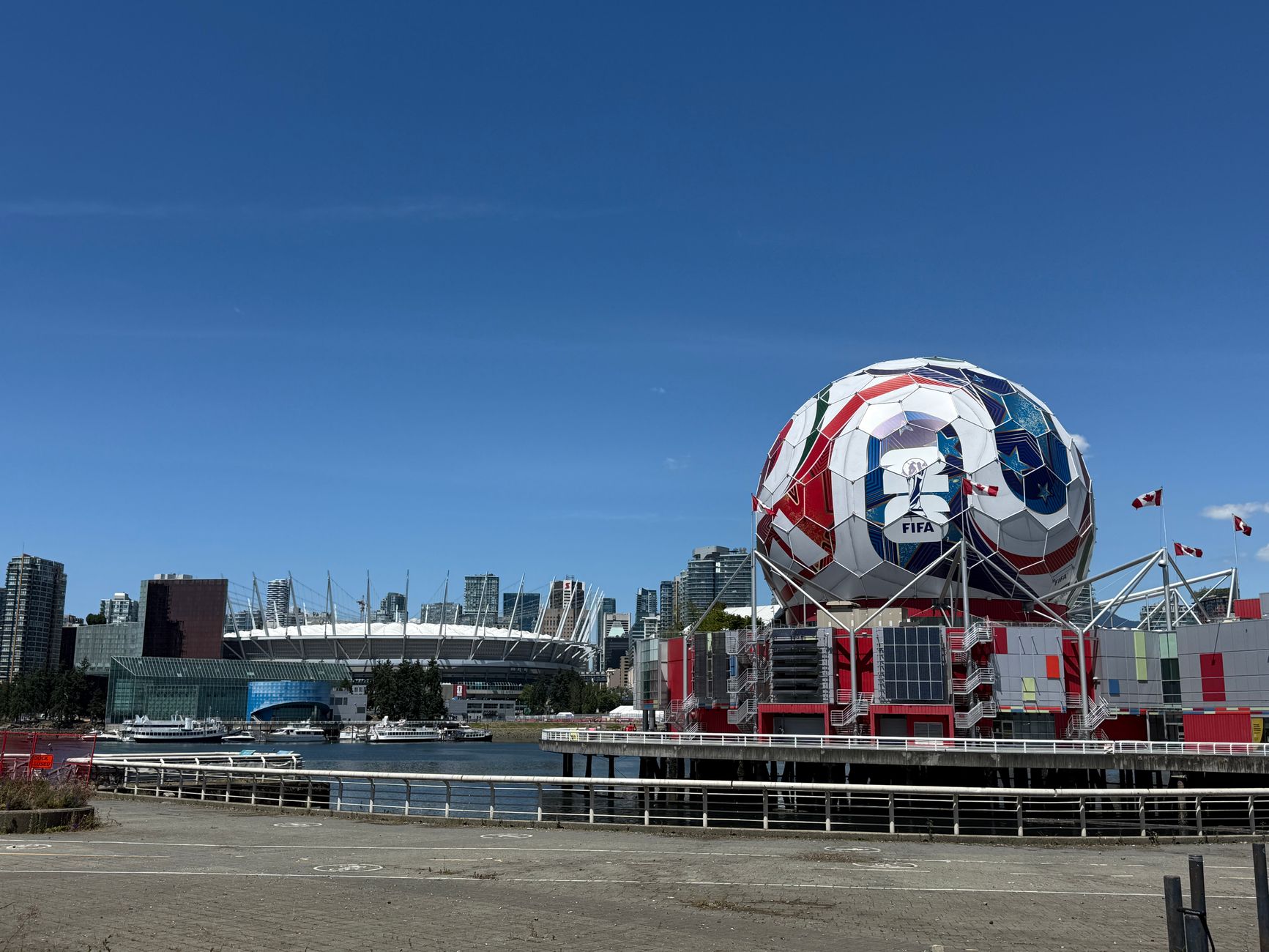
The 2026 FIFA World Cup begins on June 11, 2026, in Mexico City, with the final scheduled for July 19, 2026, at MetLife Stadium in East Rutherford, New Jersey. FIFA confirmed the 16 host cities through FIFA's official announcement, splitting venues across the United States (11 cities), Canada (2 cities), and Mexico (3 cities). The opening round will feature 12 groups of four teams, producing 72 matches instead of the previous 48, and the knockout stage expands from 16 to 32 teams.
What this means for prediction models: group-stage variance drops because four-team groups still eliminate two teams, but the path from group stage to the Round of 32 introduces a new play-in round that did not exist in the 32-team format. Any projection system that assumes a clean top-two-finishers bracket will misprice roughly 8 matches per tournament. Bettors using models inherited from the 2022 Qatar cycle should recalibrate, not retrofit.
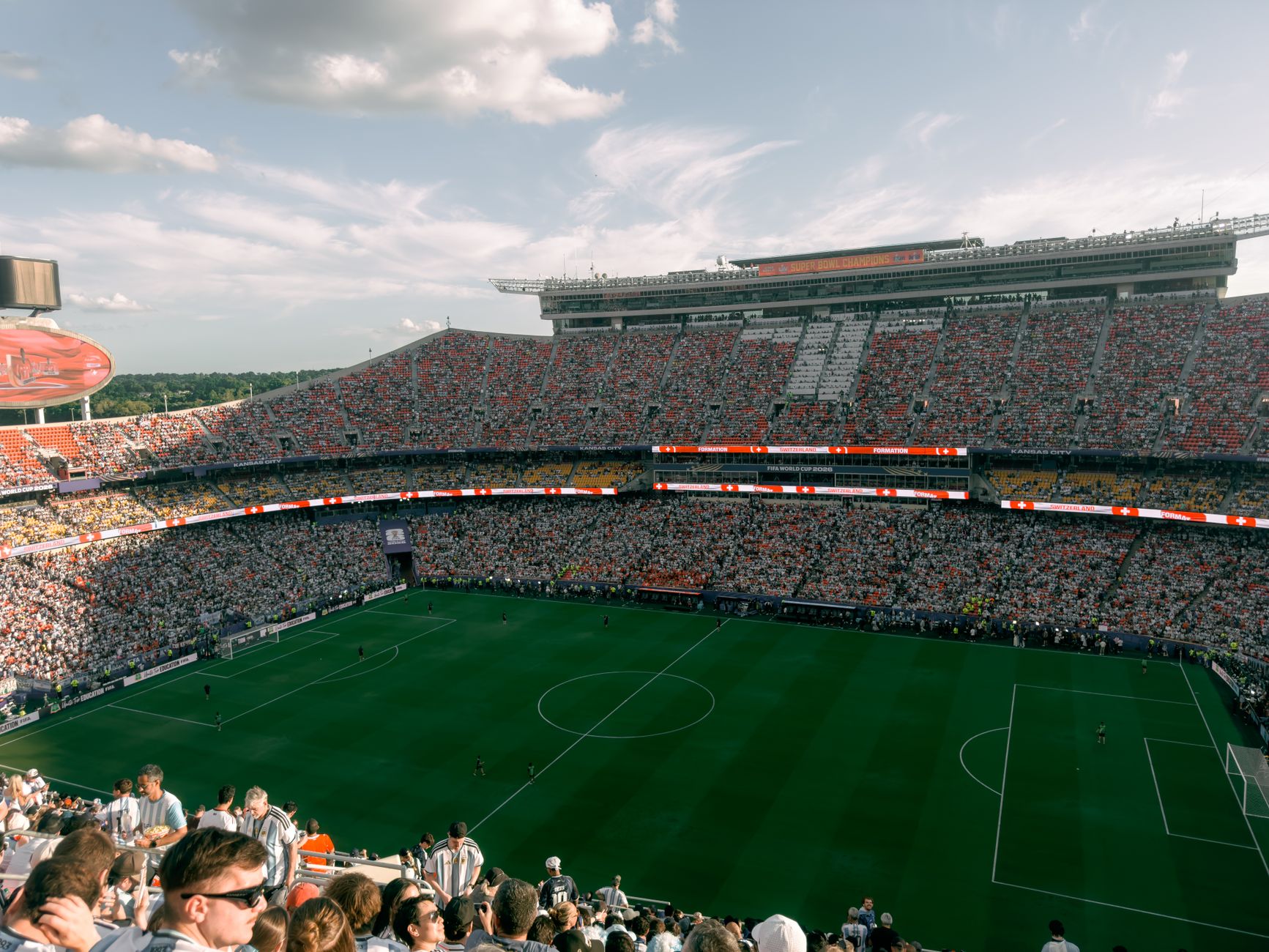
Photo by Allen Boguslavsky on Pexels
The 3 Things That Matter Most for 2026 Planning
1. The 2.8% COLA and Disposable Income Math
The Social Security Administration's 2026 fact sheet, published in October 2025, states the COLA is "based on the increase in the Consumer Price Index (CPI-W) from the third quarter of 2024 through the third quarter of 2025." For an individual receiving the average retired-worker benefit, the monthly check rises from $2,015 to $2,071, an increase of $56 per month, or $672 per year. For an aged couple where both spouses receive benefits, the combined monthly payment rises from $3,120 to $3,208.
The practical implication: 2.8% is below the 3.2% COLA applied in 2024 and well below the 8.7% peak in 2023. Real disposable income for Social Security-dependent households is essentially flat once Medicare Part B premium increases are netted out. According to the SSA fact sheet, the quarter-of-coverage earnings threshold also rose from $1,810 to $1,890. Bettors whose target demographic includes retirees should expect roughly the same discretionary pool as 2025, not an expansion.
[Internal Link: responsible bankroll management for World Cup betting]
2. The 2026 MLB Draft's Pipeline Economics
The 2026 MLB Draft saw all 30 first-round picks sign within the deadline window, with bonus pools structured around the new Collective Bargaining Agreement. Cole Carlon, a left-handed pitcher from Arizona selected 39th overall by the Toronto Blue Jays, was the second-ranked college lefty in his class. According to MLB.com's draft coverage, six players from the 2024 draft debuted in the majors before their first anniversary, a benchmark the 2026 class will be measured against.
The trade-off for prediction purposes: none of the 2025 draft class had reached the majors by mid-2026, suggesting variance in promotion timelines has widened. Models that assume a fixed 2-to-3-year MLB arrival curve from draft day are now producing more forecast errors than they did five years ago. Goal Moments does not cover MLB futures markets, but the same principle applies to World Cup prospects, where FIFA's expanded format accelerates some national-team debuts while delaying others.

Photo by Vlad Vasnetsov on Pexels
3. The Expanded 48-Team Format's Knockout Stage Geometry
In the 32-team era, 16 teams advanced to the knockout stage, producing a clean Round of 16, quarterfinals, semifinals, and final. In the 48-team era, 32 teams advance. That requires a new play-in bracket between the group stage and the Round of 16, adding one extra knockout round and roughly 8 additional fixtures.
For bettors, the geometry matters because it changes upset probability. A group-stage exit now requires finishing in the bottom two of a four-team group instead of the bottom two of a four-team group, but the path from Round of 32 to the final is now four matches instead of three. Each additional knockout round compounds variance, roughly multiplying the favorite's win probability by a further 0.6 to 0.7 per round. Implied odds for tournament-winner markets should drift slightly toward underdogs compared to 2022 calibration.
[Internal Link: group stage draw analysis and bracket projections]
Edge Cases and Gotchas in the 2026 Calendar
When Does World Cup 2026 Overlap With Other Major Events?
The 2026 World Cup final falls on July 19, 2026. That same week, MLB's All-Star Game traditionally takes place in mid-July, and NBA free agency opens roughly 48 hours after the Finals conclude. The collision is not coincidental; international football governing bodies schedule around baseball's midseason exhibition.
The trade-off: World Cup bettors will compete for liquidity with baseball futures markets and basketball offseason prop activity. Liquidity fragmentation tends to widen spreads on exotic World Cup markets (top scorer, group-stage exact finishes) during the second week of July specifically.
Photo by The Six on Pexels
What Changes for Social Security Recipients Betting on Sports?
Two thresholds matter. First, the retirement earnings test exempt amount for individuals under full retirement age rose from $23,400 to $24,480 per year. For every $2 earned above that limit, $1 in benefits is withheld. Second, the trial work period monthly threshold for disability beneficiaries rose from $1,160 to $1,210.
The implication is narrow but real: a retired World Cup bettor earning meaningful sports-related income through 2026 may trigger benefit withholding they did not trigger in 2025. This is not a legal change but a mechanical one, and per the SSA's 2026 fact sheet, the withholding formula itself is unchanged.
What About Taxable Maximum Earnings on World Cup Winnings?
The Social Security taxable maximum rose from $176,100 to $184,500 in 2026. This is the wage base for the 6.2% Social Security portion of FICA taxes; it does not cap federal income tax on gambling winnings. Sports-betting income above the standard deduction is still subject to ordinary income tax rates, and the taxable maximum change affects payroll taxes, not gambling-tax obligations directly. Bettors should not conflate the two thresholds.
[Internal Link: tax planning for sports betting winnings]
Are There Country-Specific Edge Cases for Host Nations?
Yes. Mexico, the United States, and Canada each host matches, but only Mexico's opening fixture falls on its national calendar as a flag event. The U.S. matches span 11 cities including Dallas, Miami, Atlanta, and Seattle, meaning local prop markets will behave differently across time zones. Bettors using sharp-bookmaker lines as benchmarks should weight Pacific time-zone matches more cautiously, since U.S. handle historically skews toward Eastern broadcasts.
Verdict
The 2026 calendar rewards preparation over reaction. Three structural facts should anchor any year-long betting plan: the World Cup runs June 11 to July 19 in an expanded 48-team format that adds 32 matches and a new knockout round; Social Security's 2.8% COLA is below the recent multi-year average and unlikely to expand retiree discretionary pools meaningfully; and the 2026 MLB Draft's pipeline economics are still settling, making player-promotion markets harder to model than in prior cycles.
For Goal Moments readers focused on the 2026 FIFA World Cup, the operative advice is straightforward. Recalibrate group-stage models for 12 groups of four. Account for the new Round of 32 in knockout pricing. Expect wider spreads during the second week of July due to liquidity overlap with MLB All-Star festivities. The structure of 2026 is fixed, the timing is knowable, and the only variable left is execution.

Photo by RDNE Stock project on Pexels
Frequently Asked Questions
Q: When exactly does the 2026 FIFA World Cup start and end?
A: The 2026 FIFA World Cup begins June 11, 2026, in Mexico City and concludes July 19, 2026, at MetLife Stadium in East Rutherford, New Jersey. The tournament runs 39 days across 16 host cities in the United States, Canada, and Mexico, producing 104 total matches, an increase of 40 over the 2022 Qatar format.
Q: How many teams are in the 2026 World Cup compared to previous tournaments?
A: The 2026 World Cup features 48 teams, up from 32 in every tournament since 1998. The 48 teams are divided into 12 groups of four, with the top two from each group plus the eight best third-placed teams advancing to a new 32-team knockout stage, per the format confirmed by FIFA's official announcement.
Q: What is the 2026 Social Security COLA and who receives it?
A: The 2026 Cost-of-Living Adjustment is 2.8%, applied to Social Security beneficiaries and Supplemental Security Income recipients. The adjustment is calculated from the CPI-W index change between Q3 2024 and Q3 2025, and takes effect with January 2026 payments. The average retired-worker benefit rises from $2,015 to $2,071 per month.
Q: How does the expanded World Cup format affect betting odds and predictions?
A: The 48-team format introduces a new play-in round between the group stage and the Round of 16, adding one knockout round. This compounds variance in tournament-winner markets, as each additional knockout match multiplies the favorite's win probability by roughly 0.6 to 0.7. Models calibrated on 2022 Qatar data will systematically misprice the 2026 field.
Q: Are there schedule conflicts between the 2026 World Cup and other major sports events?
A: Yes. The World Cup final on July 19 overlaps with MLB's All-Star week and the opening of NBA free agency. This concentrates betting handle across three major sports in mid-July, which typically widens spreads on exotic World Cup markets and reduces liquidity in secondary betting categories.
Q: What is the maximum taxable earnings limit for Social Security in 2026?
A: The Social Security taxable maximum for 2026 is $184,500, up from $176,100 in 2025. Earnings above this threshold are not subject to the 6.2% Social Security portion of FICA taxes, though the 1.45% Medicare portion continues without limit. This affects payroll-tax planning for high earners but does not cap gambling-income tax obligations.
Q: Where can I find daily 2026 World Cup predictions and analysis?
A: Goal Moments publishes daily World Cup 2026 content including match predictions, group-stage draw analysis, team tactics breakdowns, and player statistics. Coverage runs from the tournament opener through the July 19, 2026 final, with rolling updates as qualifying concludes and final rosters are announced.
Thank you for reading.
Goal Moments · Editorial Archive · No. 01