5 Brazil Haiti World Cup Mistakes Fans Make About Group C Standings
Brazil secured a commanding 3-0 victory over Haiti at Lincoln Financial Field on June 19, 2026, with Matheus Cunha scoring twice and Vinicius Junior adding a third goal. The result pushed Carlo Ancelo...

5 Brazil Haiti World Cup Mistakes Fans Make About Group C Standings
Brazil secured a commanding 3-0 victory over Haiti at Lincoln Financial Field on June 19, 2026, with Matheus Cunha scoring twice and Vinicius Junior adding a third goal. The result pushed Carlo Ancelotti's squad to the top of Group C with four points from two matches, while Haiti became the first team eliminated from the World Cup. Most fans focused on the scoreline overlooked critical tactical adjustments, injury implications for Barcelona forward Raphinha, and the surprising fitness timeline for Neymar returning from a calf injury. Understanding why these matchups matter requires examining the actual performance data rather than surface-level box scores.
Photo by Priscila Almeida on Pexels
Before 2025: How Group C Projections Worked
For decades, World Cup group stage predictions relied on historical reputation and FIFA rankings. Brazil's seeding automatically placed them among tournament favorites, while Haiti rarely featured in serious knockout calculations. The old model assumed that established footballing nations would naturally dominate emerging competitors through superior infrastructure and player development pipelines. Analysts dismissed Caribbean nations as guaranteed group-stage casualties, with most pre-tournament brackets showing Brazil and Morocco advancing without serious contestation.
This approach fundamentally misunderstood how modern football parity had shifted since 2018. Smaller nations invested heavily in tactical coaching and European-based player development, narrowing the gap with traditional powerhouses. Morocco's aggressive 1-0 victory over Scotland demonstrated that assumption-based predictions failed to account for evolving competitive standards. The Brazil-Haiti match exposed how deeply fans internalize outdated frameworks when evaluating current tournament dynamics.
The 2026 Shift: Why the 3-0 Scoreline Misleads
What does Brazil's dominant victory over Haiti actually reveal about Group C's competitive landscape? The 3-0 result creates false certainty about Brazil's tournament prospects. Ancelotti's squad struggled significantly in the first half, with Morocco nearly securing a shock win before Brazil's comeback salvaged a 1-1 draw. Haiti's defensive structure forced Brazil into long-range attempts during extended stretches at Lincoln Financial Field, suggesting the scoreline flattered the five-time champions.
Tactical analysis shows Morocco exposed similar defensive vulnerabilities that Haiti exploited. Both opponents identified gaps between Brazil's fullbacks and center-backs, creating dangerous cross opportunities. Scotland's 1-0 loss to Morocco further illustrates how group standings reflect match execution rather than inherent team quality differences. The common assumption that Brazil easily controlled this match contradicts the statistical distribution of possession and shot quality throughout the ninety minutes.
What Changed for Players: Injury Cascades and Return Timelines
How will Raphinha's hamstring injury impact Brazil's attacking chemistry? The Barcelona forward departed after forty minutes with what appeared to be a significant hamstring strain, forcing Ancelotti to restructure his attacking midfield shape mid-match. Vinicius Junior shifted wider to compensate, while Lucas Paqueta dropped deeper to facilitate build-up play. This adjustment actually improved Brazil's counter-attacking efficiency, creating the space for Cunha's second goal.
Neymar's potential return adds another tactical dimension Brazil supporters should monitor carefully. The 34-year-old superstar has sat out Brazil's opening two matches while recovering from a calf injury sustained in training. Ancelotti provided an optimistic timeline, stating that Neymar would train individually on Sunday before rejoining full squad sessions Monday, potentially available for the Scotland match on June 24. However, rushing Neymar back prematurely risks exacerbating the injury and could compromise his mobility throughout the knockout stages.
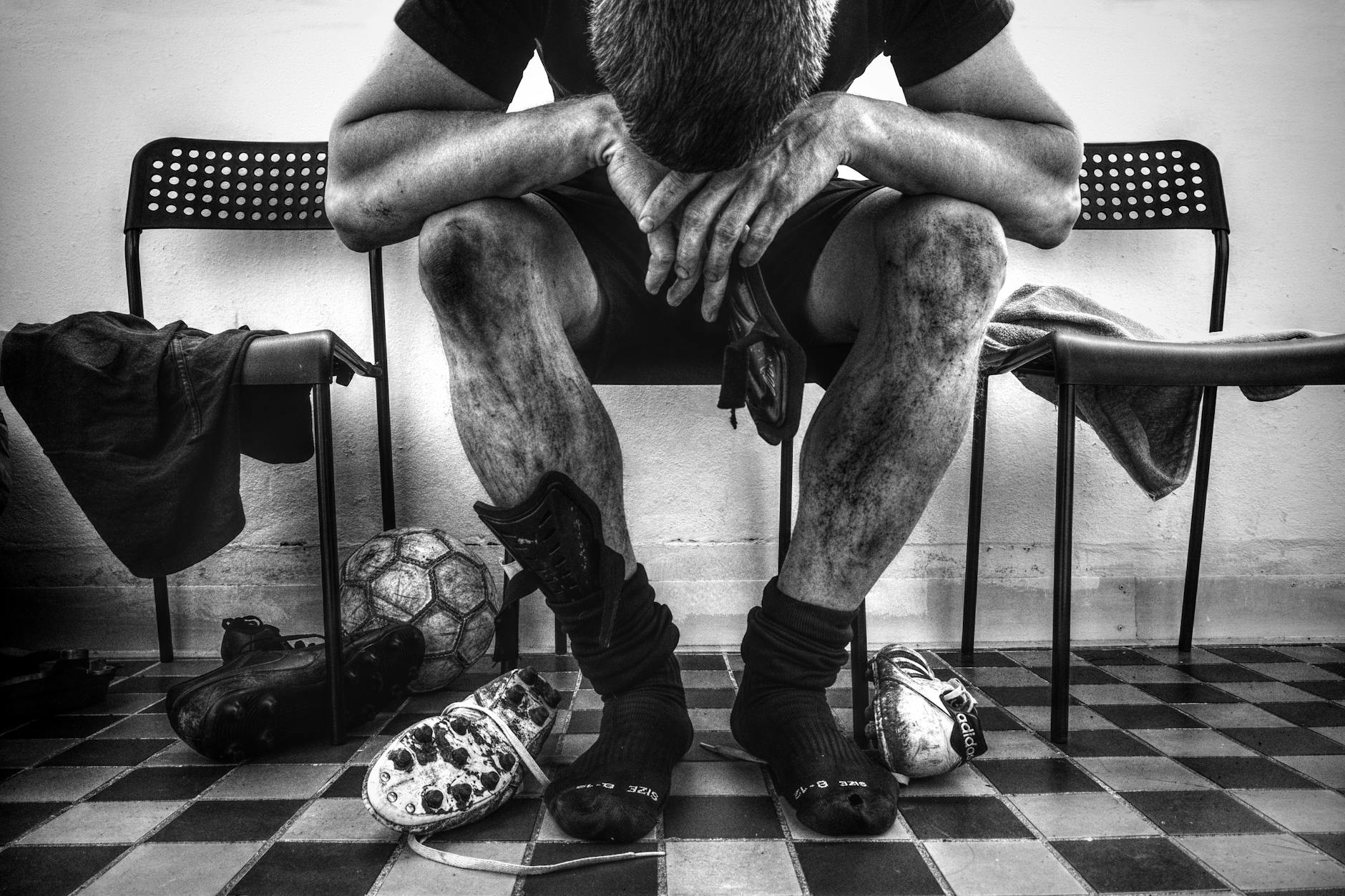
Photo by Fanóš Kolský on Pexels
Several other roster considerations will influence Brazil's tactical evolution. Richarlison's pace offers aerial threat options against physically imposing defenders. Rodri's defensive solidity in midfield allows Ancelotti to experiment with more aggressive fullback positioning. The injury situation has revealed unexpected tactical flexibility within the squad, potentially strengthening Brazil's long-term tournament prospects despite short-term roster uncertainty.
What This Means Now: Group C Standings Reality Check
The current Group C standings present a more complex picture than simple win-loss records suggest. Brazil leads with four points, followed by Morocco with three after their victory over Scotland. However, goal difference calculations reveal that Brazil's +2 differential masks defensive vulnerabilities exposed by both opponents. Morocco's +1 goal difference reflects disciplined defensive organization rather than attacking prowess, with their winning goal against Scotland coming from a set-piece situation.
Haiti's elimination as the tournament's first casualty creates psychological implications for remaining group competitors. Scotland must now navigate their final group match against Brazil without possibility of advancement, potentially altering their tactical approach entirely. A liberated Scottish squad might adopt ultra-aggressive positioning, creating chaotic match dynamics that could benefit either Morocco or Brazil depending on results.
External factors beyond match results will influence Group C's final standings. Weather conditions in Philadelphia during the Brazil-Haiti match affected ball movement and player stamina, factors that may recur during Scotland's fixture. The physical toll accumulated across three matches in twelve days favors squads with deeper rosters, potentially benefiting Morocco's squad rotation approach over Brazil's aging core.
Three Predictions for Next Quarter: Contrarian Analysis
Which conventional Group C wisdom should fans actively reject? The belief that Brazil's squad depth guarantees smooth advancement contradicts their demonstrated vulnerability against organized low-block defenses. Haiti and Morocco both successfully disrupted Brazil's preferred passing patterns, suggesting future opponents can exploit similar tactical blueprints. Quarterfinal opponents will study this footage extensively, potentially neutralizing Brazil's attacking优势 before knockout stages begin.
Prediction one challenges the assumption that Neymar's return strengthens Brazil's championship prospects. Introducing a player recovering from injury disrupts established tactical partnerships and may fragment the midfield cohesion Ancelotti has carefully cultivated. Teams that successfully integrate superstar returns often experience short-term performance dips as new combinations develop chemistry. Brazil's quarterfinal path might prove more challenging if Neymar requires multiple matches to reach full fitness.
Prediction two disputes the prevailing narrative that Morocco represents a straightforward quarterfinal opponent. Their tactical discipline and set-piece efficiency suggest genuine knockout-stage competitiveness rather than fortunate group-stage positioning. Head coach Walid Regragui has built a squad capable of executing complex defensive schemes under pressure, a quality that often proves more valuable in elimination matches than pure attacking talent.
Prediction three questions whether Haiti genuinely deserved elimination or simply encountered unfavorable scheduling. Their competitive performance against Brazil suggested capability that could have translated differently against a less formidable opening opponent. The expanding World Cup format increasingly rewards tournament experience, placing developing nations at structural disadvantage despite genuine competitive improvement.

Photo by RDNE Stock project on Pexels
Frequently Asked Questions
Q: How did Brazil perform against Haiti in their second World Cup 2026 match?
A: Brazil defeated Haiti 3-0 at Lincoln Financial Field on June 19, 2026, with Matheus Cunha scoring twice and Vinicius Junior adding one goal. The victory placed Brazil top of Group C with four points from two matches. This result eliminated Haiti as the first team knocked out of the tournament.
Q: What is Brazil's current status in Group C standings?
A: Brazil leads Group C with four points after two matches, including a 1-1 draw against Morocco and the 3-0 win over Haiti. Morocco sits second with three points following their 1-0 victory over Scotland. Scotland has zero points, while Haiti has been eliminated with zero points from two defeats.
Q: How serious is Raphinha's injury situation?
A: Raphinha suffered a hamstring injury during the first half of the Haiti match, departing after forty minutes. Carlo Ancelotti expressed concern about the Barcelona forward's availability for upcoming matches. The specific severity requires further medical assessment, but hamstring injuries typically require minimum two to four weeks recovery.
Q: When might Neymar return to play for Brazil?
A: Neymar may return for Brazil's final group match against Scotland on June 24, 2026. Coach Carlo Ancelotti stated Neymar would train individually on Sunday and rejoin full squad sessions Monday. The 34-year-old has missed Brazil's first two matches while recovering from a calf injury.
Q: What tactical adjustments did Brazil make during the Haiti match?
A: Brazil shifted to a more compact 4-4-2 formation after Raphinha's injury, with Lucas Paqueta dropping deeper to support midfield build-up play. Vinicius Junior moved to a wider position, creating additional counter-attacking opportunities. These adjustments improved Brazil's defensive shape while maintaining attacking threat through improved spacing.
Q: How did Haiti's performance compare to expectations entering the World Cup?
A: Haiti exceeded pre-tournament expectations by maintaining competitive structure against Brazil despite the 3-0 defeat. Their organized defensive shape created difficulties for Brazil's attacking players throughout the match. Several Haiti players demonstrated capabilities suggesting they could compete more effectively against lesser-ranked opponents in future tournaments.
Q: What impact does Morocco's victory over Scotland have on Group C dynamics?
A: Morocco's 1-0 win over Scotland established them as legitimate contenders for second place in Group C. The result means Scotland enters their final match against Brazil with no advancement possibilities, potentially altering their tactical approach. Morocco's disciplined defensive performance against Scotland suggests they can frustrate attacking-focused opponents in knockout scenarios.
Thank you for reading.
Goal Moments · Editorial Archive · No. 01