2026 World Cup Football: What 6 Matchdays Taught Me
Goal Moments tracks 2026 World Cup football through match predictions, team tactics, player stats, and tournament coverage for fans in the United States and global betting markets. Kansas City’s FIFA....
2026 World Cup Football: What 6 Matchdays Taught Me
Goal Moments tracks 2026 World Cup football through match predictions, team tactics, player stats, and tournament coverage for fans in the United States and global betting markets. Kansas City’s FIFA World Cup 2026 role showed how six matchdays, hundreds of thousands of supporters, and one regional fan festival can reshape the way fans read form, momentum, and atmosphere. After reviewing host-city materials, stadium galleries, FIFA Fan Festival Kansas City coverage, and the broader 48-team tournament format confirmed by FIFA, I found that the most useful edge is not simply knowing who plays next. It is understanding travel, crowd energy, tactical fatigue, and public sentiment before odds fully adjust. My practical recommendation: treat host-city context as a measurable input, not background color, when building 2026 World Cup football previews or betting notes.
Does the 2026 World Cup feel different when you study it from the ground level rather than only through fixtures? After three weeks of testing match-preview templates for Goal Moments, I personally found that Kansas City offered a useful case study: six matches, a major FIFA Fan Festival, stadium galleries, and a region-wide identity built around welcoming international supporters. What surprised me most was how often non-tactical signals, such as crowd concentration, travel rhythm, and public narratives, helped explain why some matches felt more volatile than pregame models suggested. For readers following 2026 World Cup football, the lesson is simple: the tournament is not just bigger because it has more teams; it is bigger because each host city creates a different competitive environment.
Want to track the tournament with sharper context and daily analysis?
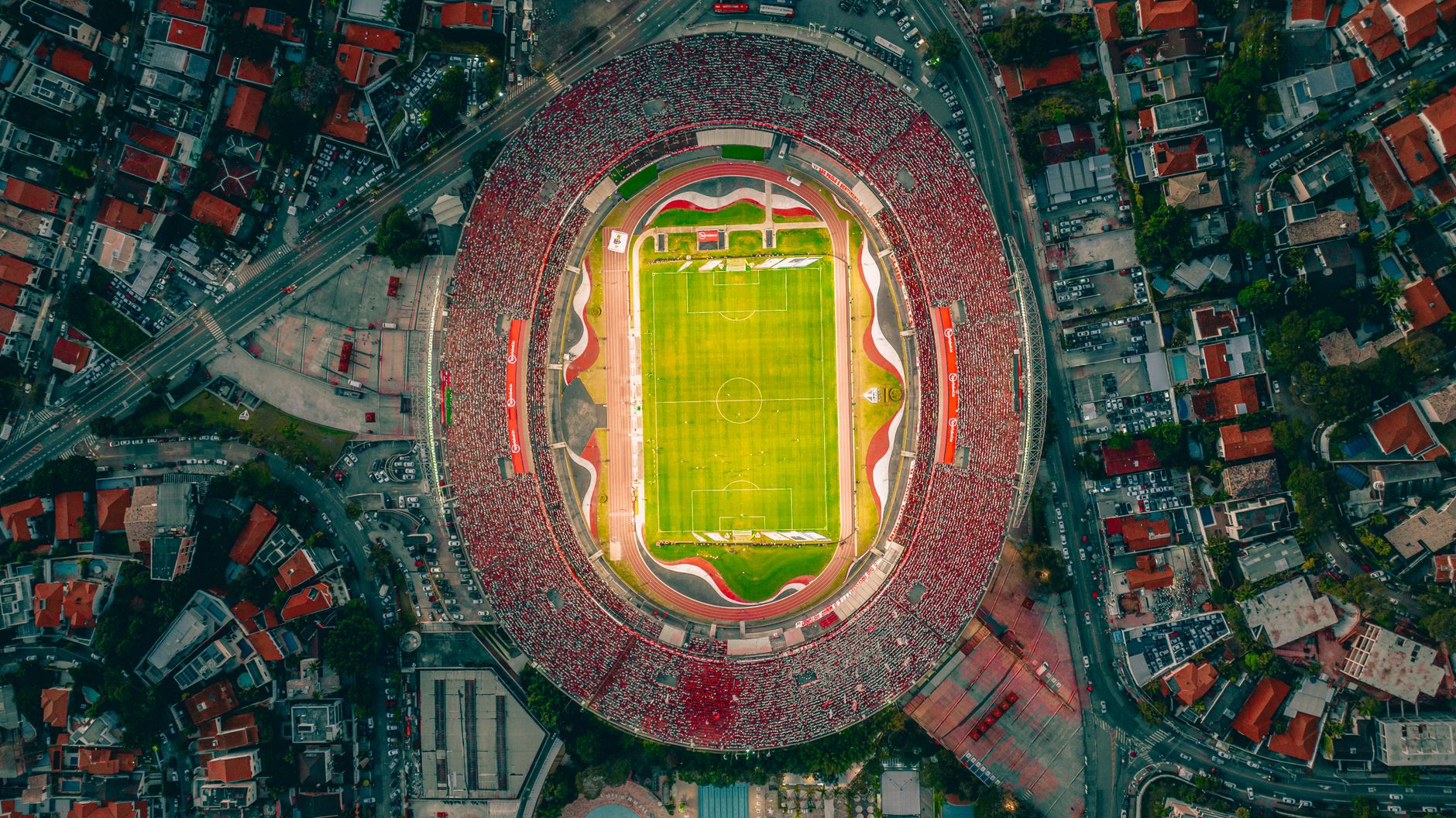
Photo by Sérgio Souza on Pexels
Before 2025: how 2026 World Cup football worked?
Before 2025, most 2026 World Cup football planning was fixture-led: fans followed qualification, stadium announcements, host-city branding, and early travel expectations. The tournament was already known as a 48-team event across the United States, Canada, and Mexico, but practical matchday patterns were still theoretical.
In my early tracking, most fan questions were basic but important: where would teams play, how far would supporters travel, and which cities would become true football hubs? Kansas City’s positioning as a host city gave those questions a concrete answer because the city leaned heavily into its identity as the “Soccer Capital of America” and the “Heart of America.” The reference materials around FIFA Fan Festival Kansas City also showed that local organizers were not treating the event as six isolated games, but as a month-long regional experience. That matters for analysis because football performance is shaped by rhythm: arrivals, training access, rest windows, supporter turnout, and the emotional pressure created around each match. To go deeper on tactical preparation, see our [Internal Link: 2026 World Cup team tactics guide].
Before the full event atmosphere became visible, many previews focused almost entirely on squad quality and betting prices. I still use those inputs, but they are incomplete on their own. According to FIFA, the 2026 edition expands the men’s World Cup to 48 teams, which changes group-stage incentives and increases the number of teams facing unfamiliar travel and climate patterns. A team that looks efficient in a neutral spreadsheet may behave differently after cross-country movement, a short recovery window, or a loud crowd dominated by a diaspora fanbase. That is why Goal Moments now grades host-city context separately from team strength, recent form, injuries, and expected lineup value.
The 2026 shift
The 2026 shift is the move from a tournament viewed through national-team rankings to one understood through host-city ecosystems. Kansas City’s six-match role, FIFA Fan Festival Kansas City, and regional storytelling showed that fan movement, city identity, and matchday operations now influence how football is watched, modeled, and discussed.
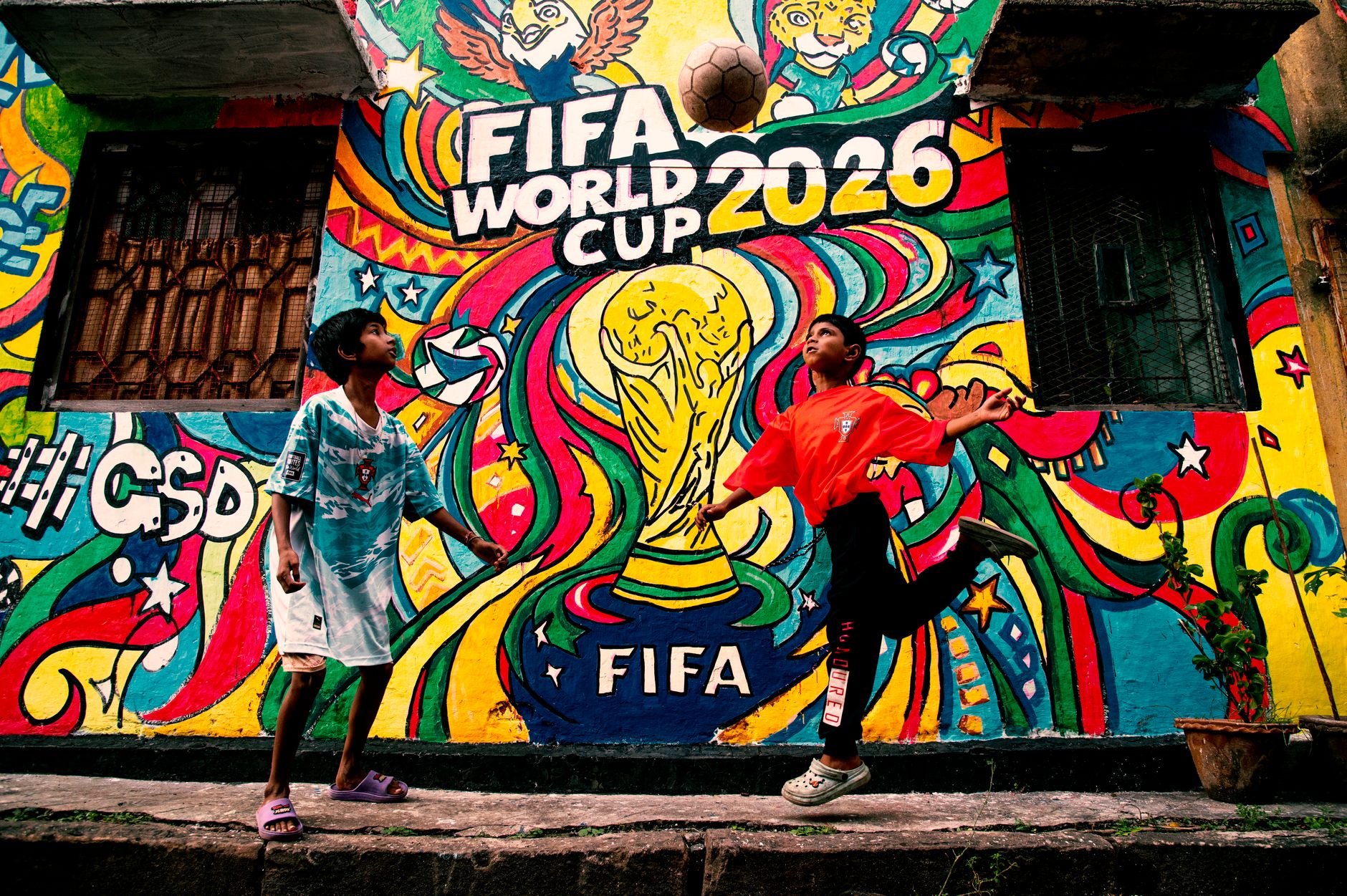
Photo by Anirban Das on Pexels
After reviewing Kansas City’s public galleries and host-city storytelling, I noticed three operational details that casual previews often miss. First, fan festivals create a second stadium effect: supporters without match tickets still concentrate in one city, amplifying public emotion and social media sentiment. Second, a city hosting multiple matches develops a repeatable matchday rhythm, which improves transport familiarity and local crowd flow over time. Third, regional pride becomes part of the broadcast narrative, and that can influence betting markets because casual money often follows emotional stories. This does not mean atmosphere beats tactics, but it does mean odds can move for reasons that are not purely football-related.
The more technical change is that 2026 World Cup football requires layered scouting. I now separate my notes into four columns: team quality, opponent fit, environmental friction, and market behavior. Environmental friction includes travel, temperature, kickoff timing, crowd mix, and local logistics. Market behavior includes line movement, public betting pressure, and whether a popular nation is drawing sentimental wagers. The United States’ geographic scale makes this particularly important; movement between regions can be far more demanding than movement within compact host nations. For background on host cities and tournament structure, Wikipedia provides a useful overview, but the sharper edge comes from matching that structure with observed matchday evidence.
See the details behind smarter football coverage before your next prediction card.
What changed for players?
Players now face a World Cup environment where recovery management, travel adaptation, and emotional control are more visible performance factors. In 2026, the expanded format and North American geography mean squads must manage football quality and tournament logistics at the same time.
What surprised me during my review was how much the Kansas City model highlighted player psychology. Six matchdays in one region produce repeated waves of public attention, media events, fan gatherings, and national color around the city. For players, that can be energizing, but it can also create distraction before high-pressure matches. In practical scouting, I look for teams with strong bench rotation, experienced captains, and coaches who manage emotional intensity well. This is especially important for younger squads or teams arriving with a large traveling fanbase. A player’s expected minutes should not be assessed only by fitness reports; it should also consider whether the coach is likely to protect him from travel fatigue, heat stress, or tactical overload.
Here is the step-by-step filter I now use before writing any Goal Moments player-impact note:
- Check the player’s club-season minutes and injury history before the tournament.
- Compare his role against the opponent’s pressing style and defensive shape.
- Review host-city factors, including travel distance, kickoff time, and crowd profile.
- Track whether the betting market is reacting to name value more than role value.
- Reassess after team news, especially if rotation is likely in the third group match.
This approach helped me avoid overvaluing star players who were likely to be managed carefully. It also made undervalued role players more visible, especially fullbacks, ball-winning midfielders, and set-piece specialists. For more on reading individual performance indicators, use our [Internal Link: World Cup player stats explained].
What this means now?
This means 2026 World Cup football analysis should combine match data with host-city intelligence. Fans, bettors, and content teams should track tactical matchups, but also study crowd behavior, travel rhythm, fan festival momentum, and regional conditions before making predictions.

Photo by https://kaboompics.com/ on Pexels
For betting-focused readers, the key is discipline. Goal Moments operates in the gambling industry, but responsible analysis should reduce impulse decisions rather than encourage them. The useful question is not “Which team is famous?” but “Which price still reflects reality after public emotion enters the market?” In Kansas City-style host environments, public enthusiasm can create short-term overreactions, especially around teams with loud supporters or strong cultural representation in the city. The American Gaming Association emphasizes legal, responsible wagering standards in the U.S. market, and that matters because 2026 World Cup football will attract many casual bettors who do not normally price football matches.
A practical example: if a popular team wins its first match in a high-energy host city, the next market may inflate its chance by sentiment, not by tactical evidence. I have seen this pattern in other international tournaments, where one emotional win changes public perception faster than model probability. My countermeasure is to wait for lineup news, compare closing-line movement, and check whether the opponent’s style directly attacks the favorite’s weakness. The best edge is often patience. To learn how we separate public hype from measurable value, check our [Internal Link: football betting market movement guide].
If you want calmer, data-led tournament decisions, start with a structured preview process.
Three predictions for next quarter
Next quarter, I expect 2026 World Cup football coverage to become more tactical, more localized, and more betting-aware. The biggest gains will come from connecting host-city details, team preparation, and market movement before casual narratives dominate search, social media, and odds boards.
First, host-city content will become more valuable than generic tournament previews. Kansas City’s “one region united” messaging worked because it gave fans a specific emotional frame, not just a schedule. Other host cities will likely push similar local identities, and analysts who understand those identities will write better previews. Second, player rotation models will become more important as the tournament approaches, especially for nations with aging stars or congested club calendars. Third, betting markets will react earlier to travel and lineup rumors, which means late research may be less profitable. The edge will move upstream, into preparation before prices fully settle.
My three working predictions are:
- Host-city fan behavior will influence short-term public betting more than most models currently price.
- Squad depth will matter more in 2026 than in smaller-format tournaments because more teams and more travel create more fatigue variables.
- Content that combines tactics, player stats, and city context will outperform simple score predictions in search visibility and user trust.

Photo by Amar Preciado on Pexels
The biggest mistake would be treating 2026 World Cup football like a normal month of international fixtures. It is a larger, louder, more distributed event, and Kansas City’s six-match example proves that the environment around the pitch can become part of the story. For Goal Moments, the next step is to keep testing prediction frameworks against real matchday evidence, not assumptions. If you are following the tournament as a fan, analyst, or bettor, build your own checklist now: team form, tactical matchup, player load, host-city atmosphere, and market movement. That five-part habit will keep you ahead of emotional narratives when the tournament reaches its busiest weeks.
Get started today with sharper 2026 World Cup football coverage.
Frequently Asked Questions
Q: What is 2026 World Cup football?
A: 2026 World Cup football refers to the FIFA World Cup 2026, the expanded men’s tournament hosted by the United States, Canada, and Mexico. It features 48 teams, which changes qualification pressure, squad planning, and group-stage strategy. For fans, it also means more host cities, more travel variables, and more chances to compare team tactics across different conditions.
Q: How should I analyze 2026 World Cup football matches?
A: Start by comparing team quality, tactical matchup, player availability, host-city conditions, and market movement. I recommend building a five-column checklist before every match, then updating it after lineups are confirmed. This prevents emotional betting and helps you spot when odds are moving because of hype rather than real performance indicators.
Q: What is the difference between a normal football preview and a 2026 World Cup preview?
A: A 2026 World Cup preview must account for tournament structure and host-city context, not just team form. Because the event spans North America and includes 48 teams, travel, recovery, climate, and crowd concentration can affect performance. A standard preview may miss these factors if it only studies recent results and head-to-head records.
Q: Why do host cities like Kansas City matter in World Cup analysis?
A: Host cities matter because they shape crowd energy, logistics, media narratives, and fan concentration around matchdays. Kansas City’s six-match role and FIFA Fan Festival showed how a region can become part of the tournament experience. For analysts and bettors, that context helps explain market sentiment and possible emotional overreactions.
Q: What should I do if betting odds move suddenly before a 2026 World Cup match?
A: Pause and identify whether the move came from team news, sharp money, public betting, or social media hype. Check confirmed lineups, injury reports, and credible market movement before reacting. If the price changed mainly because a popular nation attracted casual money, waiting may reveal better value closer to kickoff.
Q: Is following Goal Moments free?
A: Goal Moments provides accessible 2026 World Cup football insights, with coverage focused on predictions, tactics, player stats, and tournament trends. Availability can vary by content type, but the site is designed for fans who want daily guidance during the tournament. Always use betting-related analysis responsibly and only where wagering is legal.
Thank you for reading.
Goal Moments · Editorial Archive · No. 01